Building •INT• Records: A Professional Collaboration
•INT• Records Ltd was developed as an independent label structure to support the release of Intrusive’s upcoming album. The aim was not simply to create a name or logo, but to build a professional framework around recording, branding, promotion, live activity, funding, content and long-term artist development.
The project developed through collaboration between members of Intrusive, external creatives, university enterprise support and wider music industry contacts. Each stage required different kinds of collaboration: creative, legal, financial, organisational and strategic.
This page documents the process behind the label’s development and critically reflects on how collaboration shaped the project from early research through to company formation, branding, album planning and future release strategy.
What happened
The project began with a practical question: if Intrusive were going to release an album properly, what structure would be needed around it?
It quickly became clear that the album could not exist simply as a group of finished songs. It required a release strategy, visual identity, professional communication, live opportunities, funding options, audience development and a clear way of organising the people involved.
•INT• Records Ltd was created to provide that structure. The label now acts as the professional framework around Intrusive’s album release, connecting music production, branding, promotion, live activity and business development into one organised campaign.
Collaborative process
The project was developed through discussions between Conaugh, Sam and Alfie. Each person brought a different area of value to the project.
Conaugh’s role has focused on business setup, company administration, production, funding, booking, website development and overall project coordination. Sam’s role has centred on visual identity, branding and creative direction. Alfie’s role has focused on content, media, documentation and the public-facing side of the label.
The project therefore developed less like a single task and more like a working system. Each part supports the next: research informed the structure, the structure supported the brand, the brand shaped the website, and the website and email now support promoter outreach and funding opportunities.
Reflection
One of the key early lessons was that a creative project needs structure if it is going to develop professionally. •INT• Records gave the album campaign a clearer framework and helped move the project from informal band activity into a more organised creative business model.
From Band Release to Independent Label Structure
Understanding Independent Label Models
What happened
The first month of the project was largely focused on research and discussion. Before registering the company or developing the logo, the team spent time looking at independent label models, artist-led release strategies, ownership structures, audience development, funding options and music business practice.
This research helped answer a key question: what does an independent label actually provide that the band does not already have?
The answer was control. By releasing through its own structure, Intrusive can control the release schedule, artwork, promotional tone, communication with audiences, live strategy and long-term direction of the album campaign.
Collaborative process
The research stage involved conversations between members of the band about what kind of label would make sense for Intrusive. Sam was particularly involved in thinking about how independent labels use visual consistency to create recognition and credibility. Alfie’s contribution was more focused on how the label could appear through content, including rehearsal footage, behind-the-scenes material, studio moments and short-form media.
The research stage was also important because all members needed to understand the industry side of the project. •INT• Records affects the band collectively, so the label could not be built around one person’s understanding of the music industry alone. It needed a shared direction.
Reflection
This stage stopped the label from becoming just a name. It clarified that •INT• Records needed to be a working structure with a clear purpose. It also showed that early-stage artists are shaped by their first professional decisions: how they release, how they present themselves, how they communicate and how they build credibility.
The research stage gave the project its foundation and helped frame the album release as both a creative project and a professional campaign.
Research & Industry Development
Creating a Legal and Professional Structure
What happened
A major part of the project was registering •INT• Records Ltd through Companies House and turning the label from an idea into a legal company.
During this stage, several legal structures were considered: a company limited by shares, a company limited by guarantee and a Community Interest Company.
A company limited by shares is designed for businesses with owners. Those owners hold shares, can receive profits through dividends, and have voting rights.
A company limited by guarantee is more common for non-profits, clubs or organisations where profits are usually reinvested rather than distributed.
A Community Interest Company, or CIC, is designed for organisations that mainly exist to benefit a community, with restrictions on how profits can be used.
•INT• Records was set up as a company limited by shares because this structure best matched the project. •INT• Records is being built as an artist-led music business around Intrusive’s first album release. The structure allows clear ownership, future reinvestment, potential profit distribution and flexibility as the label grows.
Collaborative process
The ownership structure was one of the most important discussions. A 40 / 30 / 30 split was agreed.
Conaugh took the larger share because he initiated the label idea and has taken responsibility for most of the business side, including registering the company, setting up the domain and email, arranging the registered office, building the website, coordinating funding, handling company administration and connecting the label to the Major Project album release.
Sam’s 30% reflects his role in the creative direction of the label. His work on the logo and visual identity shapes how •INT• Records will be understood publicly. His contribution is not just design work; it affects the credibility and tone of the label.
Alfie’s 30% reflects his involvement in the band and his role around content, visual documentation and the public-facing side of the campaign. The album release will need rehearsal footage, recording content, show clips and behind-the-scenes material, so his contribution supports how the label communicates with audiences.
The team also separated the idea of being a shareholder from being a director. Everyone can own part of the company, but the director is legally responsible for running it. At this stage, it made sense for Conaugh to act as the main director because he is handling the administration and company setup.
Reflection
The purpose of this structure was not to make the band overly corporate. It was to protect the project and the working relationships by making expectations clear early on.
The 40 / 30 / 30 split reflects both shared ownership and practical responsibility. Equal ownership only works effectively when responsibility is equal as well. In this case, the work is shared, but the responsibilities are different. The structure acknowledges everyone’s role while keeping the company clear and manageable.
This stage showed that collaboration is not only creative. It can also be legal, financial and organisational.
Branding & Logo Development
Building the •INT• Records Identity
What happened
The branding stage focused on developing a visual identity for •INT• Records that felt connected to Intrusive, but strong enough to stand alone as a label.
The challenge was finding the right balance between raw and professional. Too clean, and the label could lose the energy and edge of the band. Too rough, and it might not feel credible enough as a professional platform.
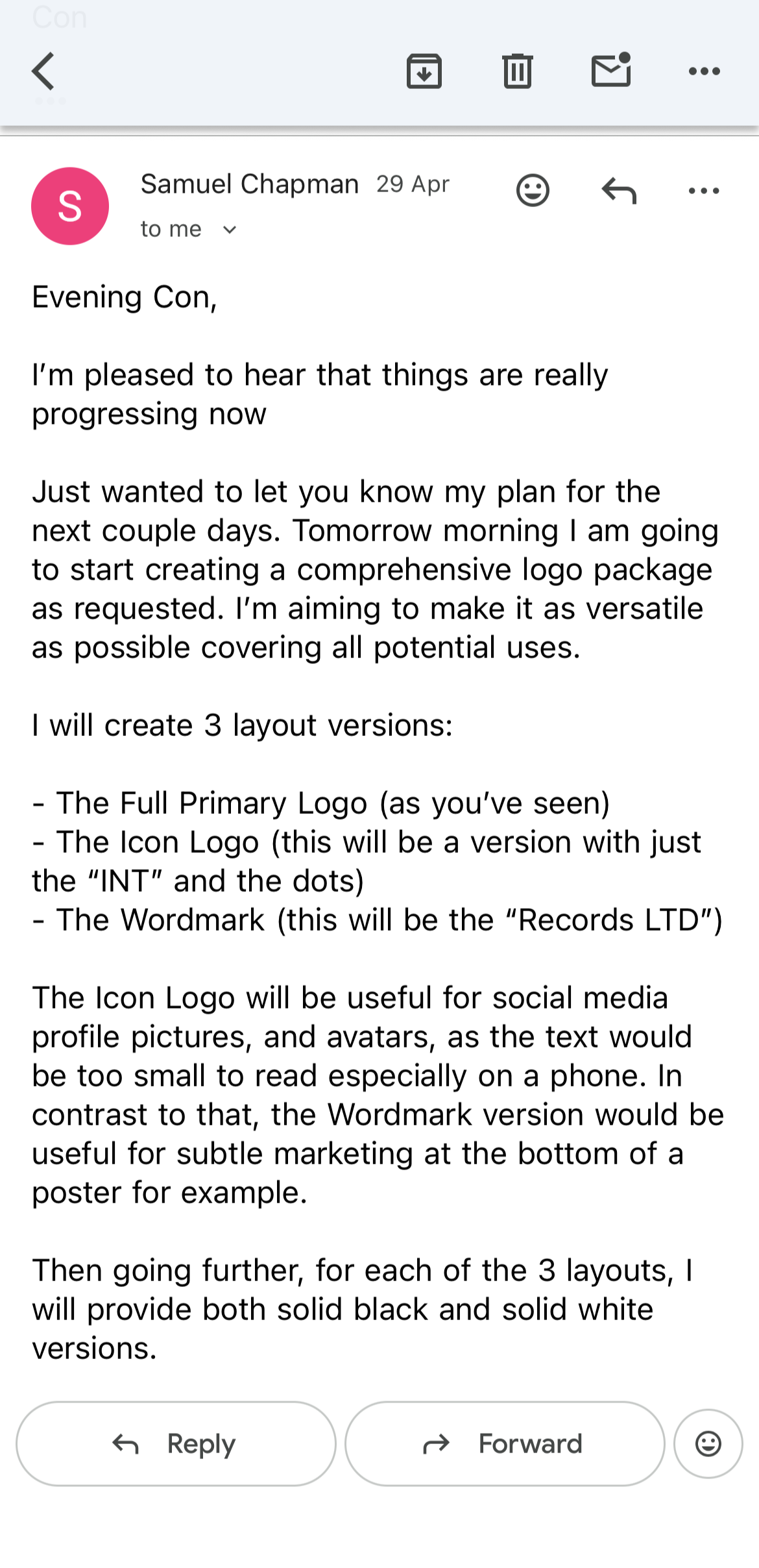
Sam developed multiple logo ideas and visual options. Through email exchanges and feedback, the design direction was refined, including the font, spacing, layout, use of black and white, possible use of red, and how compact the logo should be.
One of the strongest parts of the final identity was the use of dots around INT: •INT•. This helped turn the name into something more recognisable and ownable. The dots frame the logo and make it feel more like a mark rather than just text.
Collaborative process
Sam’s role was central during this stage. He was not just creating a single logo image; he was helping build a visual system. He considered how the logo would work as a full logo, icon, wordmark, black-and-white version and across different file formats such as PNG, PDF, SVG and Illustrator files.
That practical thinking mattered because a label logo has to work across many formats: Instagram profile pictures, posters, websites, artwork, email signatures and potentially merchandise.
Alfie’s perspective also mattered because he was thinking about how the visual identity would appear through content. A logo can look strong on its own, but if it does not work in social media posts, video clips or promotional material, it is not fully serving the campaign.
Reflection
The branding process showed that visual identity is not just decoration. It is part of how a label is understood by audiences, promoters and collaborators.
The logo developed through revision rather than arriving fully formed. That made the process more professional because it involved critique, refinement and decision-making. It also helped clarify the label’s tone: clean but raw, serious but not corporate, and professional without losing the band’s character.
Digital Infrastructure
Domain, Email and Website
What happened
Once the company direction and logo were taking shape, the next step was building the digital infrastructure for •INT• Records.
This included securing the domain, setting up a business email and developing the website as the public-facing home of the label.
The domain gives •INT• Records a permanent digital identity. Social media is useful, but it is platform-dependent. Having an independent website makes the label feel more stable and professional.
The business email was also a major step. Using an address such as info@intrecords.co.uk immediately changes the tone of external communication. When contacting promoters, venues, collaborators or funding bodies, the message now comes through the label rather than a personal email account.
Collaborative process
Although Conaugh handled much of the technical setup, the infrastructure supports everyone’s work.
Sam’s branding shapes the visual identity of the website. Alfie’s content role supports what the website will actually show: rehearsal footage, recording material, behind-the-scenes images, live content and documentation of the album process.
The website is not intended to be a static page. It becomes a place where the label identity, band information, album campaign, content, funding evidence and professional contact point come together.
Reflection
This stage helped the collaboration move beyond internal planning. The label now has a public-facing structure that promoters, audiences, tutors and industry contacts can see.
The digital infrastructure makes the project feel real. It gives the label a professional front end and creates a central place for the album campaign to develop.
Album Recording & Production
Preparing the First •INT• Records Project
What happened
The album release for Intrusive will be the first major project released through •INT• Records.
At this stage, around four more songs still need to be recorded. Conaugh’s role involves recording, mixing and mastering the material, but the production process is still shaped by the band’s shared creative identity.
Songs develop through rehearsals, arrangement choices, feedback and performance decisions. The band discusses how sections should hit, whether parts need more energy, whether the drums are pushing enough, how guitar layers sit, and how the vocal performance changes the feel of the track.
The album also needs cohesion. It cannot feel like a random set of songs recorded at different times. The production has to create a consistent world around the band, including drum sound, guitar tone, vocal space, dynamics and the overall flow of the record.
Collaborative process
Another important collaborator in this stage is Vonj. The band has been rehearsing at his studio since the new year, and they also performed a show with him. Through that working relationship, he has become more connected to the project and now wants to record the rest of the album.
This is important because it is not a random external hire. The relationship has developed naturally through rehearsal, performance and shared musical context. Vonj already understands the band’s energy and working style, which makes the collaboration more meaningful.
The production process also involves internal feedback. As the person mixing and mastering, Conaugh may have a technical view of what works, but the band still needs to recognise itself in the final sound. That means listening together, taking comments seriously and knowing when to make changes versus when to protect the overall sonic direction.
Reflection
This stage shows how independent music often involves overlapping roles. Conaugh is working as drummer, producer, mixer, label organiser and project manager at the same time.
That can be intense, but it also gives the album a unified direction because the creative and business sides are connected. The label provides the structure, while the band and collaborators shape the creative outcome.
Marketing, Content & Public Identity
Building the Album Campaign
What happened
This stage focused on how •INT• Records and Intrusive should appear publicly during the album campaign.
The aim was not simply to post more content. It was to make sure the content had a purpose. The research stage made it clear that independent artists need to build audience relationships consistently, not only appear when they have a release to sell.
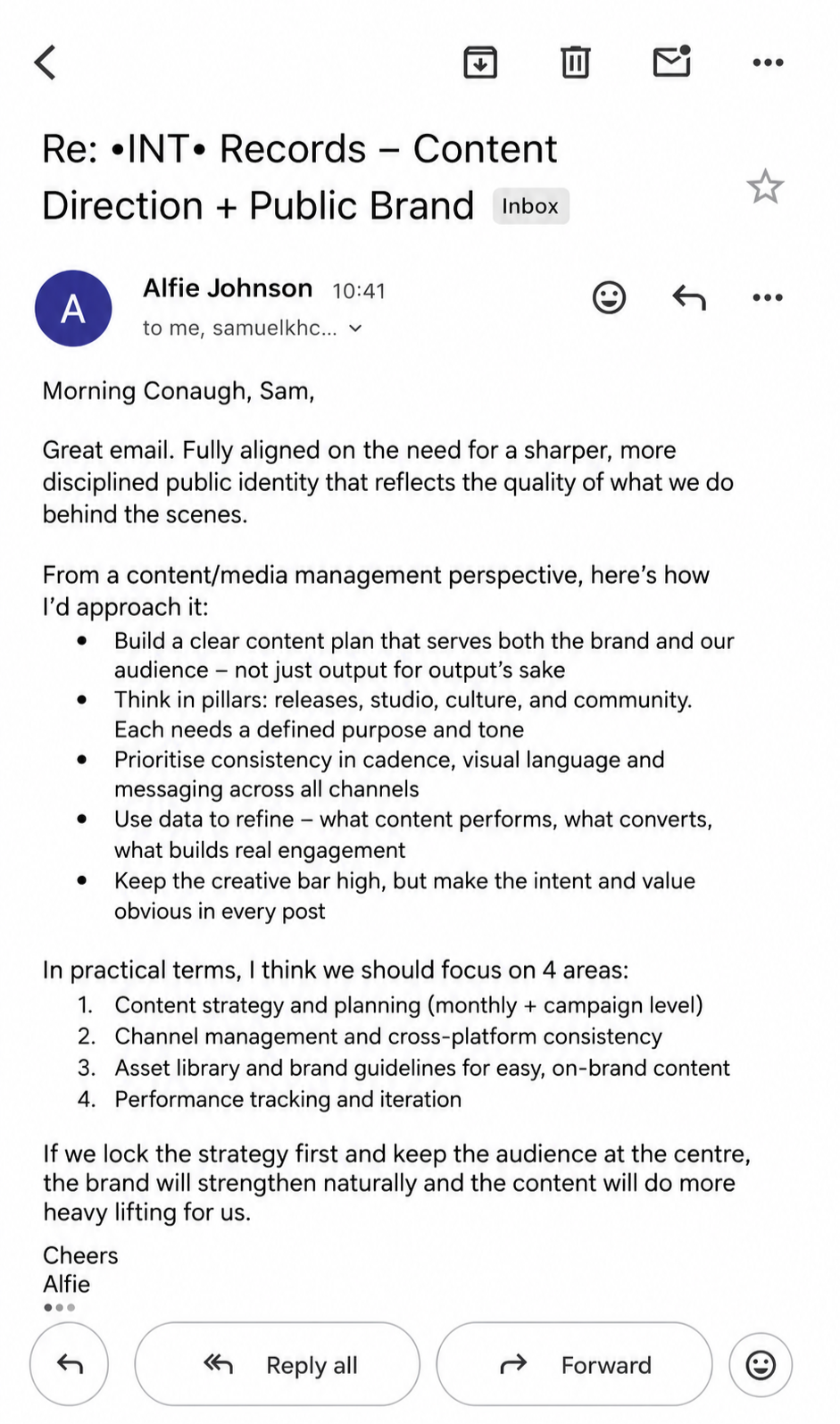
The screenshots used in this section show an email thread about content direction and public brand. Conaugh opened the conversation by explaining that •INT• Records needed to come across as clean and professional, but still raw and rooted in the band’s scene.
He also suggested early content pillars such as artist and band updates, studio and recording process, live footage, gig promotion, behind-the-scenes content and visual branding that makes the page recognisable.
Collaborative process
Alfie’s reply developed this further from a content and media management perspective. He focused on strategy, planning, channel management, consistency, brand guidelines and performance tracking.
That moved the conversation beyond “posting more” into a more structured approach. It became about why each post exists, what purpose it serves and how the label builds a recognisable public identity over time.
Sam’s visual work supports the campaign by keeping the branding coherent. Alfie’s content role helps keep it active and human. Conaugh’s role is to connect those elements to the wider release strategy.
Reflection
This section showed that audience development is not just promotion. It is about building a public identity that feels believable and consistent.
The goal is not to flood social media. The goal is to build a world around the album where the visuals, tone, content and release strategy all feel connected.
•INT• Records needs to look serious enough to be understood as a real label, but still rooted in the band’s actual world. That means clean but raw, professional but not corporate, and consistent without becoming sterile.
Promoter & Venue Outreach
Connecting the Label to the Wider Industry
What happened
Promoter and venue outreach is where the label begins connecting with the wider music industry.
A major aim is to book more shows around the album campaign, especially through the summer. These cannot just be random gigs. They need to support the wider release plan.
That means thinking about which cities make sense, which venues suit the band, what line-ups fit Intrusive’s audience and where support slots could help reach new listeners.
Collaborative process
Internally, the band needs to be aligned before outreach happens. Availability, travel limits, realistic dates and whether a show actually benefits the campaign all need to be confirmed.
Externally, the process involves communication with promoters, venues and other artists. Using the •INT• Records email gives the outreach a more professional tone and makes the project feel organised. It does not mean pretending the label is larger than it is. It means presenting the band with more structure and seriousness.
Sam’s role can support this through posters, gig announcements and branded assets. Alfie’s role supports it by capturing footage from shows and rehearsals and turning that into content.
Reflection
One booking opportunity can feed several areas: live performance, audience growth, social media, promotional material and album momentum.
This stage shows how collaboration extends beyond the band. The album campaign depends on relationships with promoters, venues, other artists and audiences. Professional communication becomes part of the creative strategy.
Finance, Funding & Sustainability
Building a Financial Foundation
What happened
The financial side made the project feel serious very quickly.
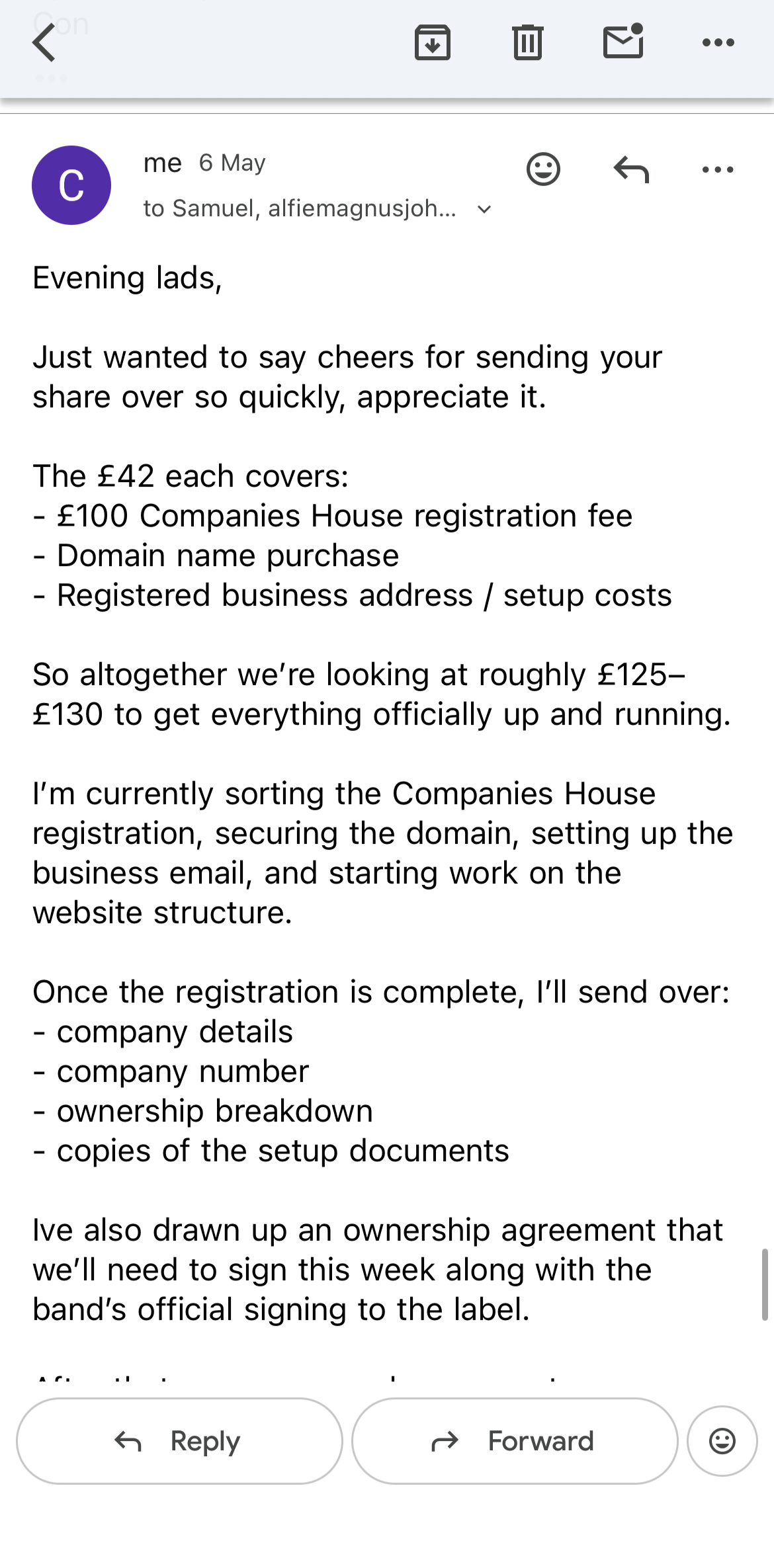
The first costs included Companies House registration, the domain, business email and registered office address. Conaugh explained these costs to Sam and Alfie, and they were split between the group. That made the setup feel collectively supported rather than something being pushed forward by one person alone.
The share split also connects to financial responsibility. Because Conaugh is taking the largest ownership percentage and acting as director, he is also taking on the largest organisational responsibility. Sam and Alfie still have meaningful ownership, but the split reflects different levels of input and responsibility at this stage.
University funding and startup support
Researching university funding options became an important turning point. It made clear that the label did not just need enough money to exist on paper; it needed a funding strategy to properly support the album release.
That funding research led to a meeting with Duncan Silvey, who works with the university to mentor and coach new startups. That meeting helped shape the early trajectory of •INT• Records at the end of the research phase.
It pushed the project from “setting up a label” into more practical questions: what is the first project, what infrastructure is needed, what will it cost, and how can the label become sustainable beyond the first release?
Reflection
Financial planning is not just about paying for setup. It is about thinking professionally: how the album can be funded, how costs are tracked, how early income is reinvested, and how the label can build something that lasts.
This stage showed that money has to be discussed clearly in collaborative projects. If it is vague, it can create tension later. If it is transparent, it builds trust and gives the project a stronger professional foundation.
Project Management & Communication
Keeping the Collaboration Moving
What happened
Project management became one of the biggest learning points of the whole process.
There were many moving parts: university deadlines, work, band rehearsals, company registration, branding, recording plans, promoter outreach, finances and content. Without communication, the project could easily stall.
A lot of Conaugh’s role involved turning broad ideas into specific actions. “The label needs a logo” became feedback rounds, file formats and final versions. “The campaign needs content” became discussions around content pillars and public brand tone. “The label needs to be set up” became Companies House registration, shares, registered office, email and domain.
Collaborative process
Conaugh also had to learn how to push urgency without making the process feel like pressure for pressure’s sake. That can be difficult in a band because the collaborators are also friends, not employees. But once a company is being built, communication needs to become more professional.
The email chains helped with that. They created a record of decisions and made the process feel more official. They also helped separate casual band communication from actual project planning.
Reflection
The biggest lesson here is that collaboration needs momentum. If everyone is waiting for someone else to act, nothing happens.
Someone has to keep the process moving, and in this project that became Conaugh’s responsibility. Leadership was less about control and more about creating clarity: making sure people understood the goal, their role and the next step.
Critical Reflection
What the Process Taught
What worked well
The project worked well when roles were clear. Sam’s contribution was strongest when the task was visual identity and branding. Alfie’s contribution was strongest when the focus was content, media and public-facing communication. Conaugh’s contribution was strongest in connecting the pieces together through production, company setup, communication and overall direction.
The company structure also helped make the project feel real. Once the domain, email, registered office and Companies House registration were in place, the label became much more than an idea.
What was difficult
One challenge was different working speeds. Conaugh naturally wanted to move quickly because deadlines were close and the Major Project was approaching. Other collaborators sometimes needed more time, clearer goals or more direction.
Another challenge was knowing when to stop refining. The logo process could have continued for weeks, but at some point it needed to be locked so the website, socials and email identity could move forward.
Balancing friendship and business responsibility was also important. It is easy for things to stay informal in a band, but the label required clearer expectations.
What was learned
The biggest lesson is that collaboration is not automatic. It needs structure, patience and communication.
The project changed how leadership was understood. Leadership became less about control and more about creating clarity and building a system where other people can contribute properly.
Future Development
Moving Into the Album Release
What happens next
The next stage of •INT• Records is to move fully into the Major Project, where the focus becomes the release of Intrusive’s album and everything surrounding it.
At this point, the label is no longer just being planned. •INT• Records Ltd is officially incorporated, the domain has been secured, the business email is set up, and the website is either live or actively being built as the public-facing platform for the label.
That means the basic infrastructure is now functioning. The project has moved from concept into operation.
First major project: Intrusive’s album
The album is no longer being released by the band informally. It will now be the first major project released through •INT• Records, giving it a clearer professional framework.
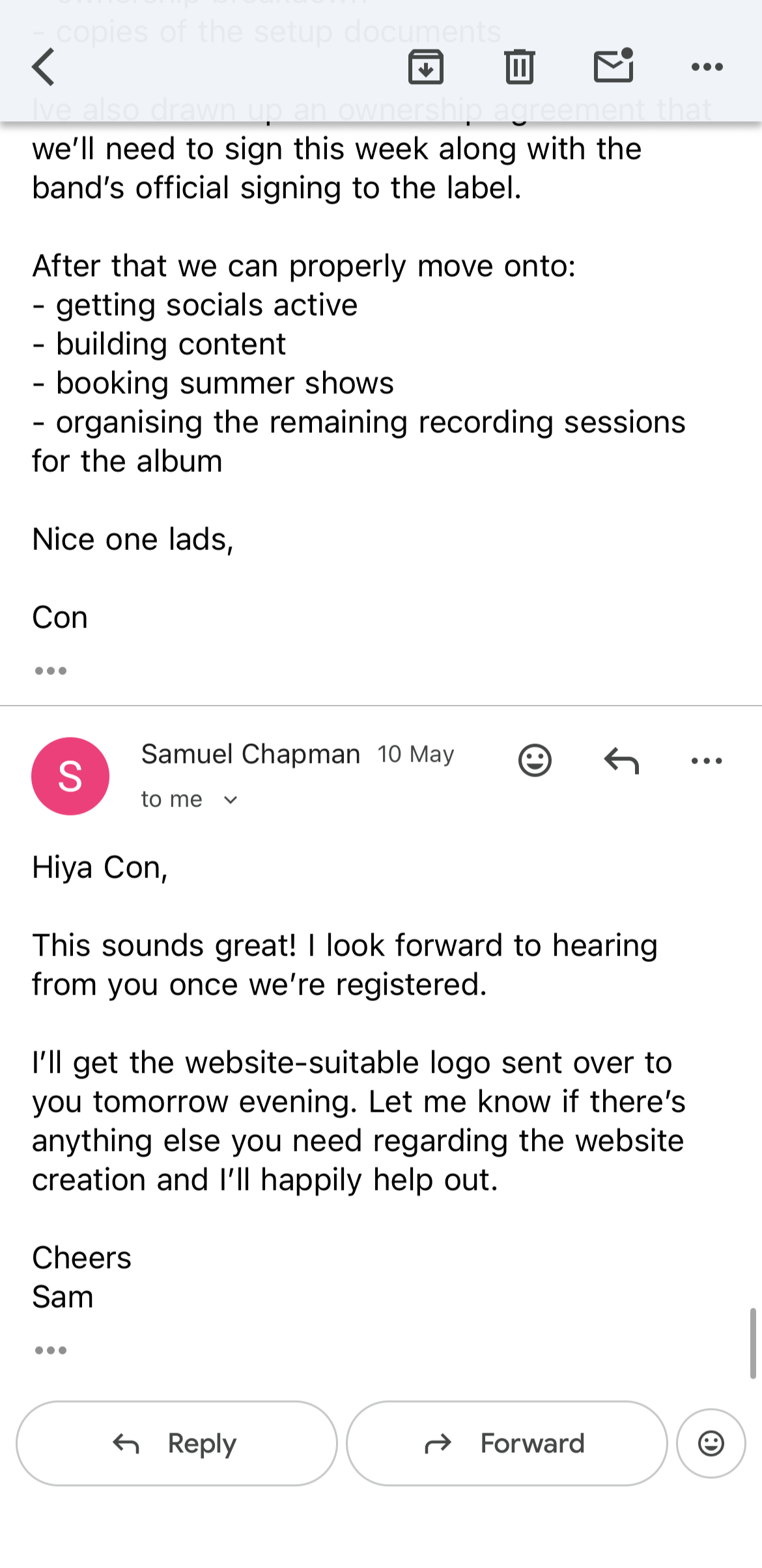
The immediate next steps are to finish recording the remaining songs, mix and master the album, continue developing the website, build content around the process and contact promoters for summer shows connected to the album campaign.
Funding opportunities are also being explored to support the album properly, particularly around recording, visual content, promotion and wider release development.
Future collaboration
Sam’s role will continue through artwork, visual identity, web visuals and the overall look of the campaign. Alfie’s role will continue through content, filming, documentation, rehearsal clips, recording footage and helping the label feel active publicly.
Conaugh’s role will be to keep the whole project connected: production, company management, funding, booking, communication and overall campaign direction.
Reflection
The future development is not about starting from scratch anymore. The label now exists, the core infrastructure is in place, and •INT• Records is ready to move into its first proper project.
This is where everything built so far has to support a real release campaign.
Conclusion
From Idea to Working Label
•INT• Records Ltd has developed from an idea into a working professional structure through a mixture of creative, business and industry-facing collaboration.
The process has involved research, company formation, share decisions, branding, production planning, financial contributions, digital infrastructure, promoter outreach, funding research, startup mentoring and long-term strategy.
The most important outcome is that •INT• Records now gives Intrusive’s album release a proper foundation. It is not just a name or a logo. It is a structure that connects the people, music, visuals, finances, communication and release strategy around the album.
The project has shown that modern independent artists cannot only think like musicians. They also need to think like organisers, producers, marketers, collaborators and business owners.
•INT• Records is now ready to move into its first major project: the release of Intrusive’s debut album.
Company Setup & Ownership
Evidence Gallery
Research & Planning
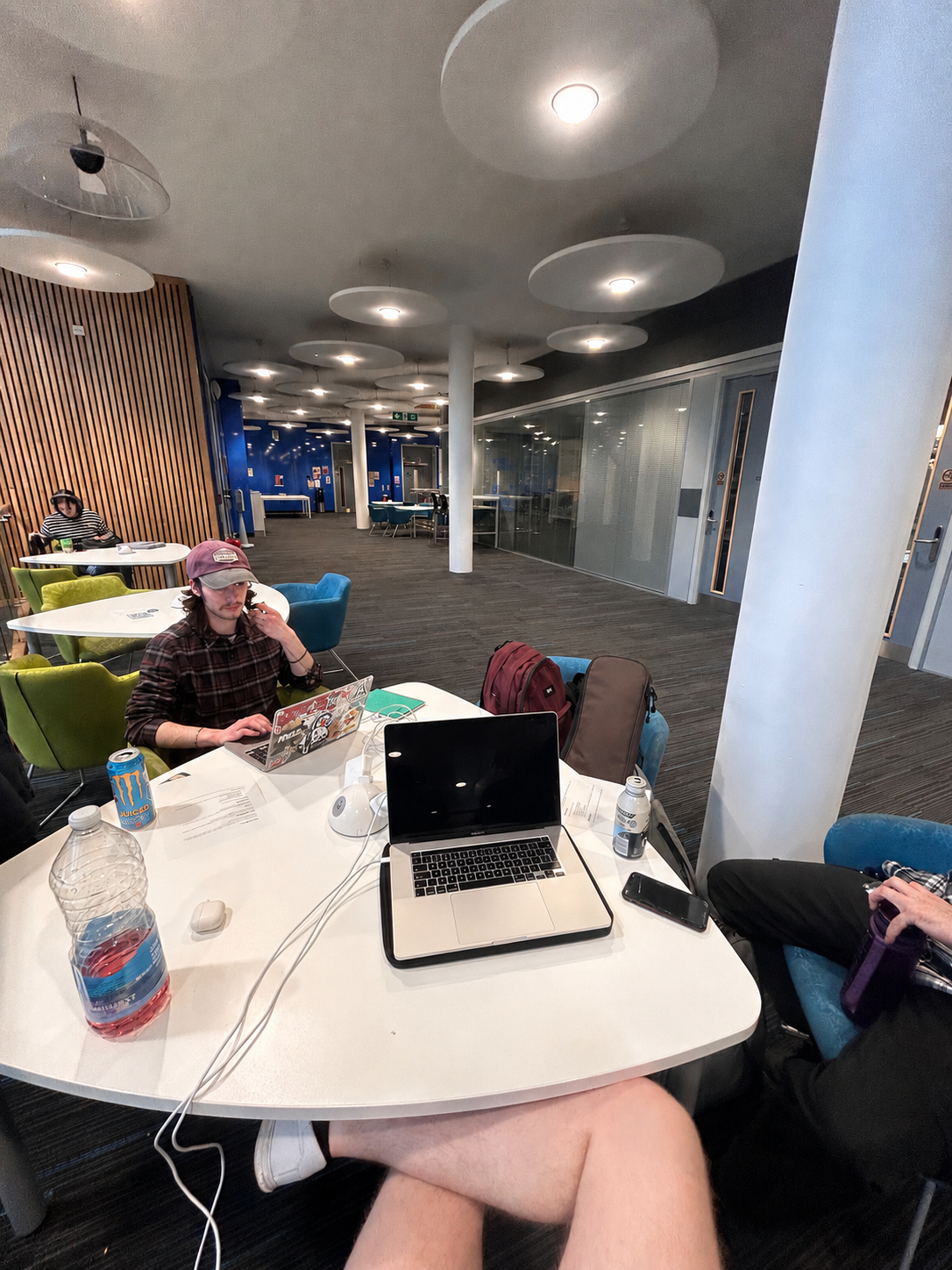
Early Company Meeting
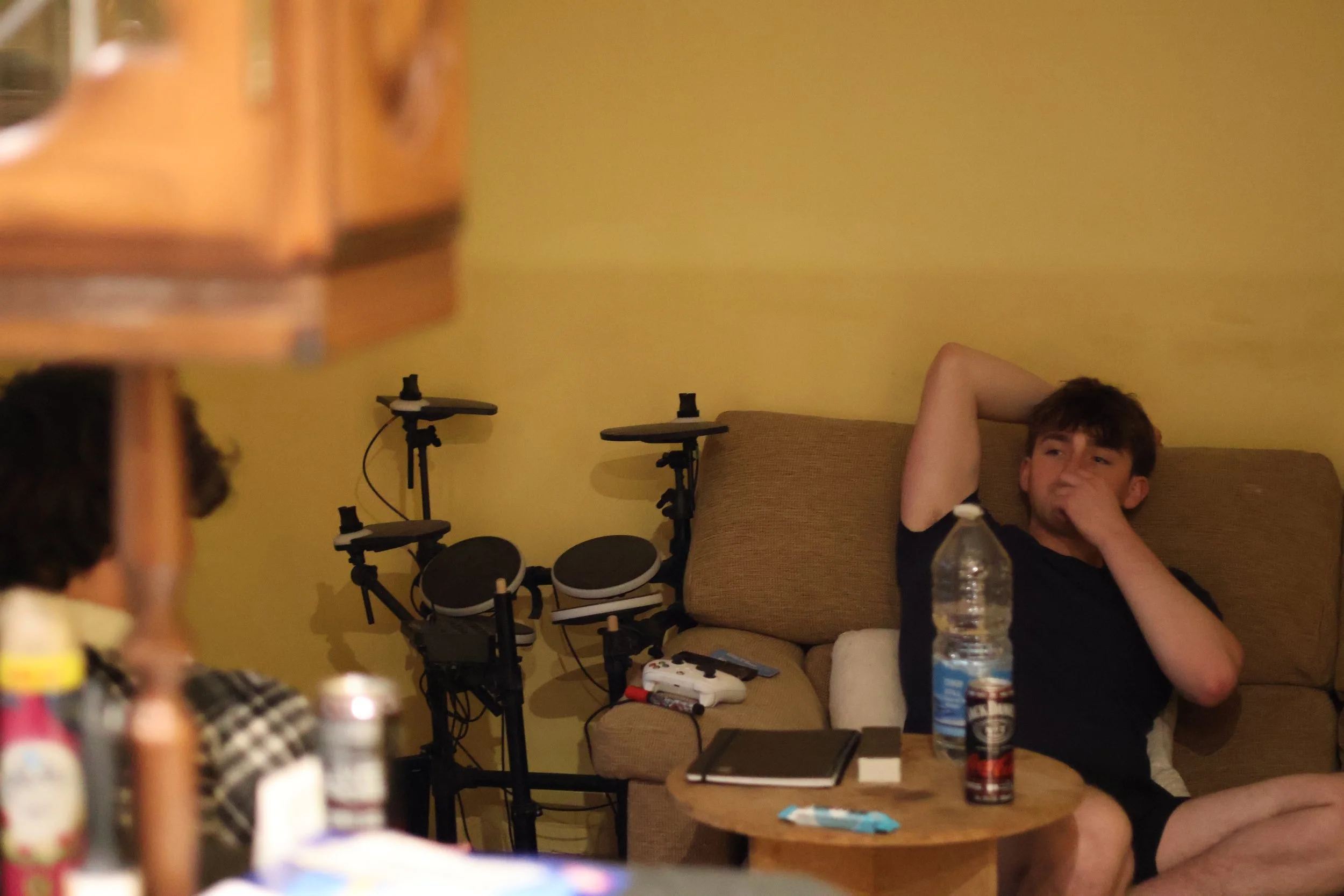
Group Meeting & Discussions
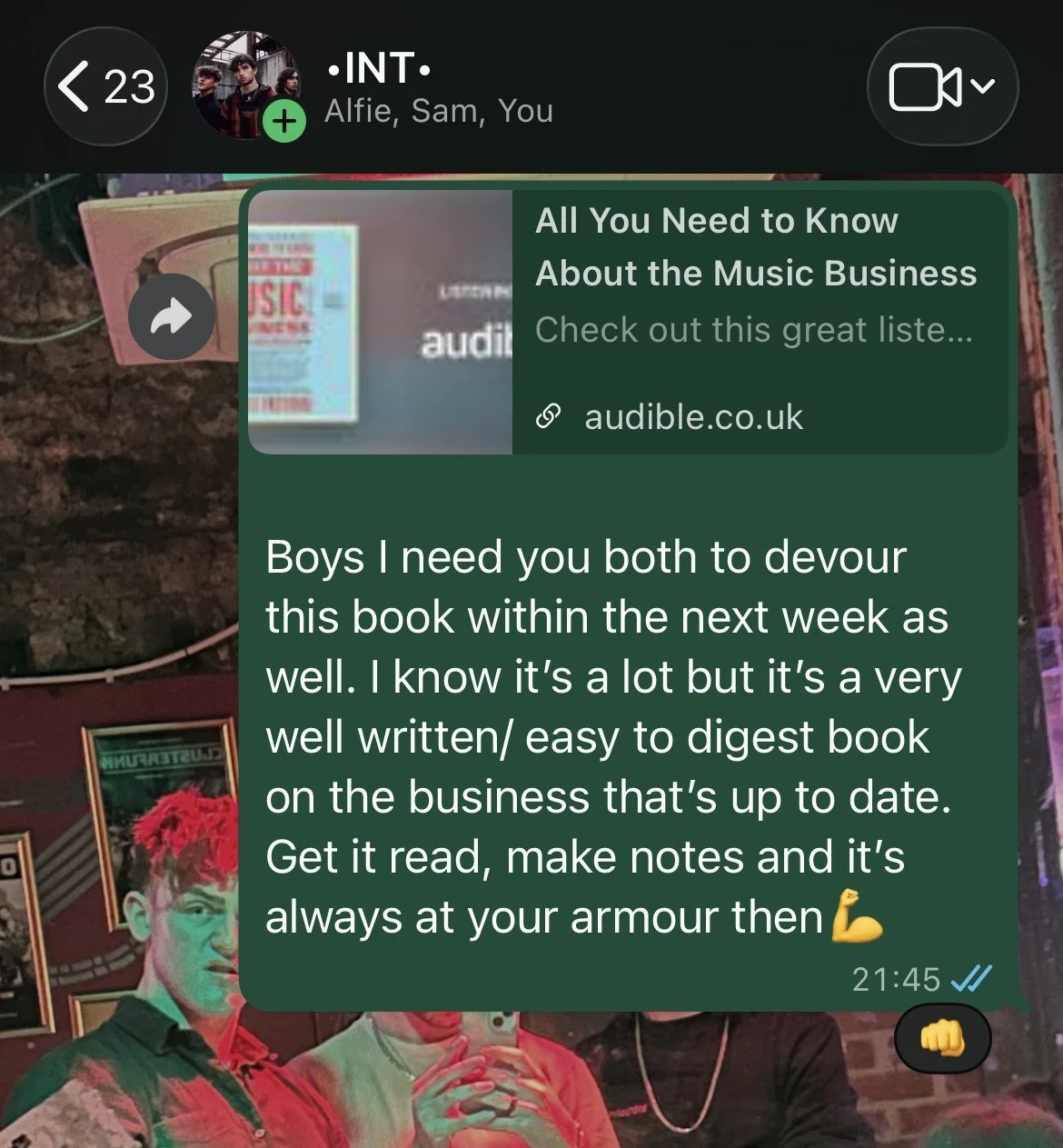
Book Study
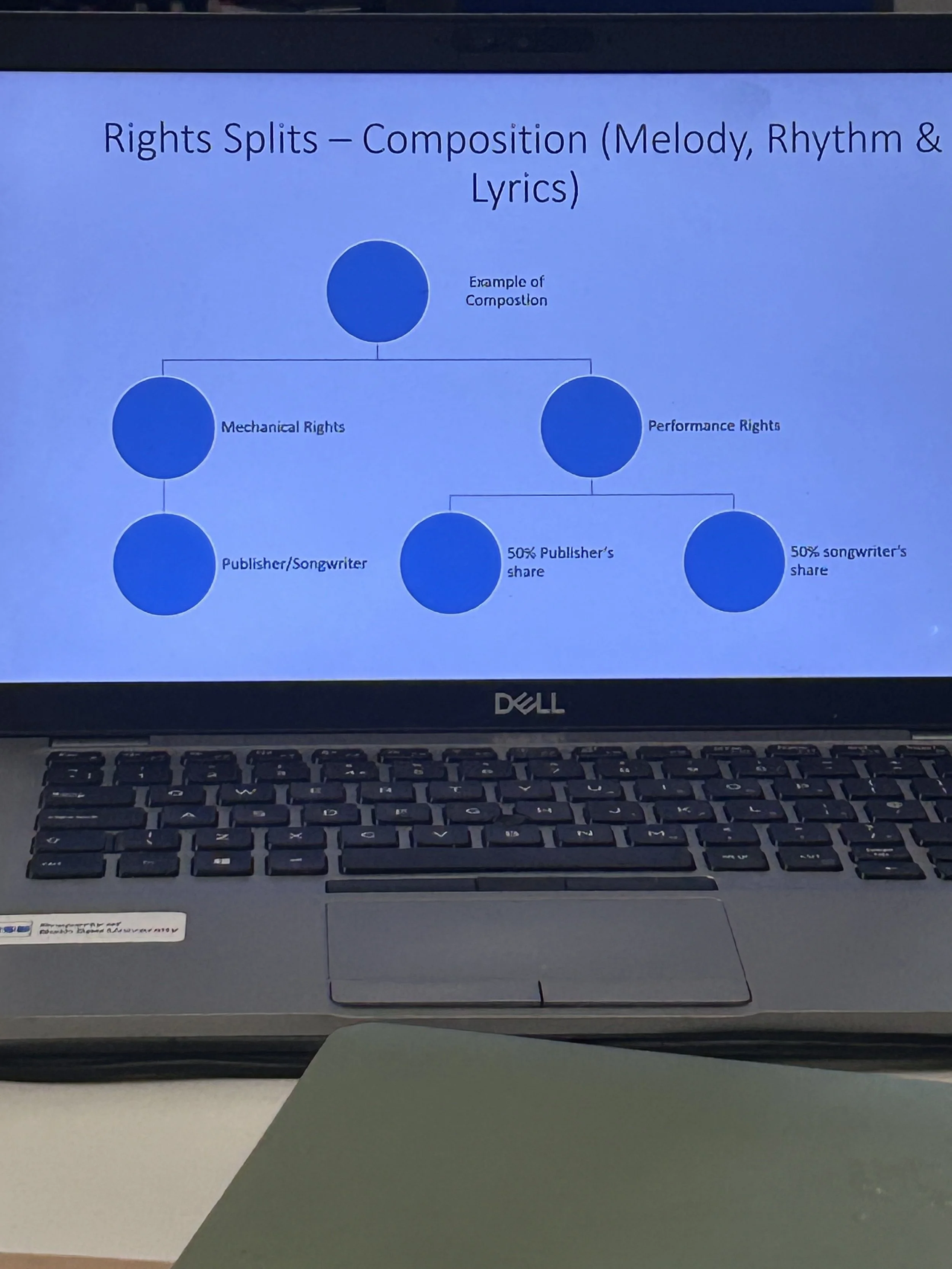
Sharing Lecture Notes On Rights Splits
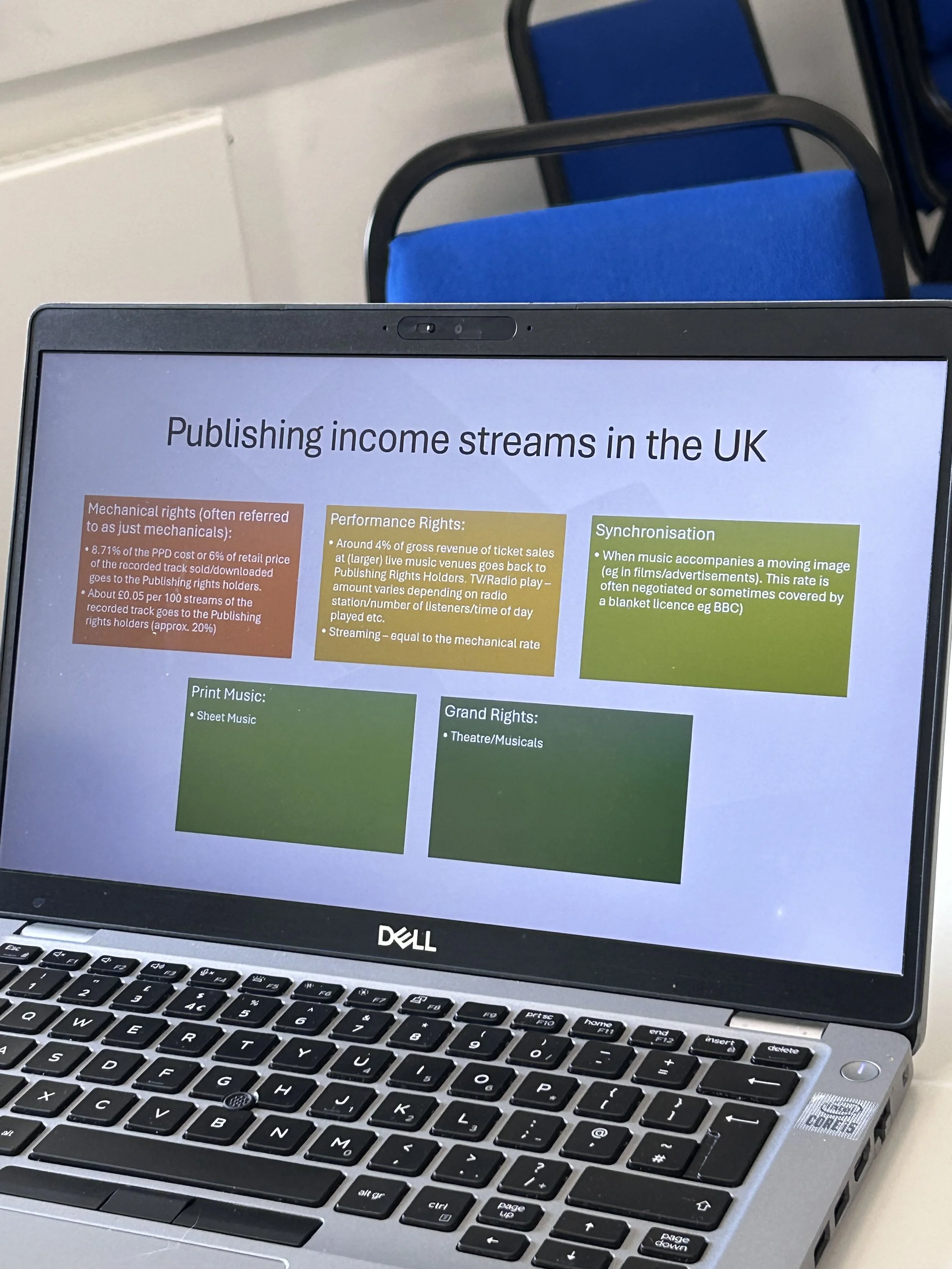
Sharing Lecture Notes On Publishing Income
Branding Development
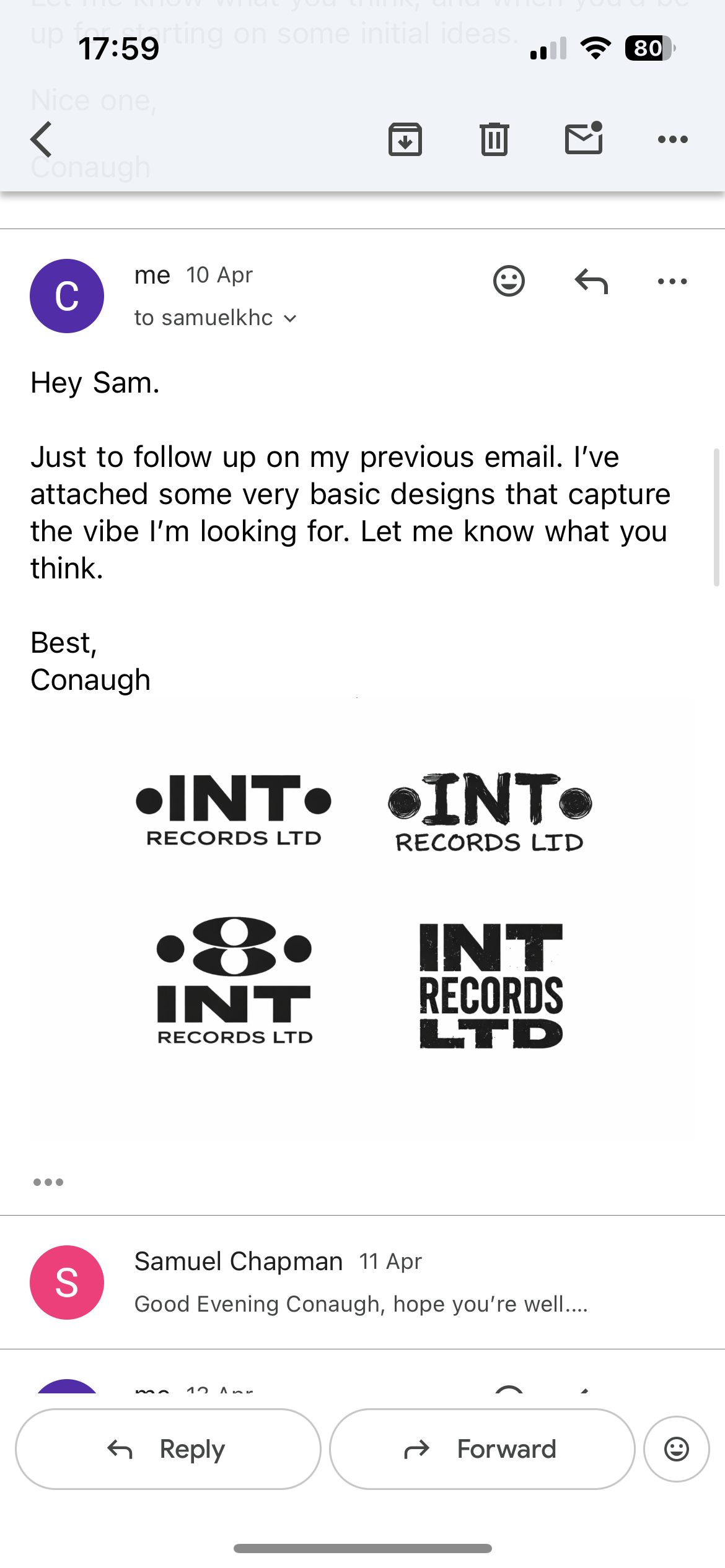
Logo Development Process Captured Through Email Exchanges (Fig A)
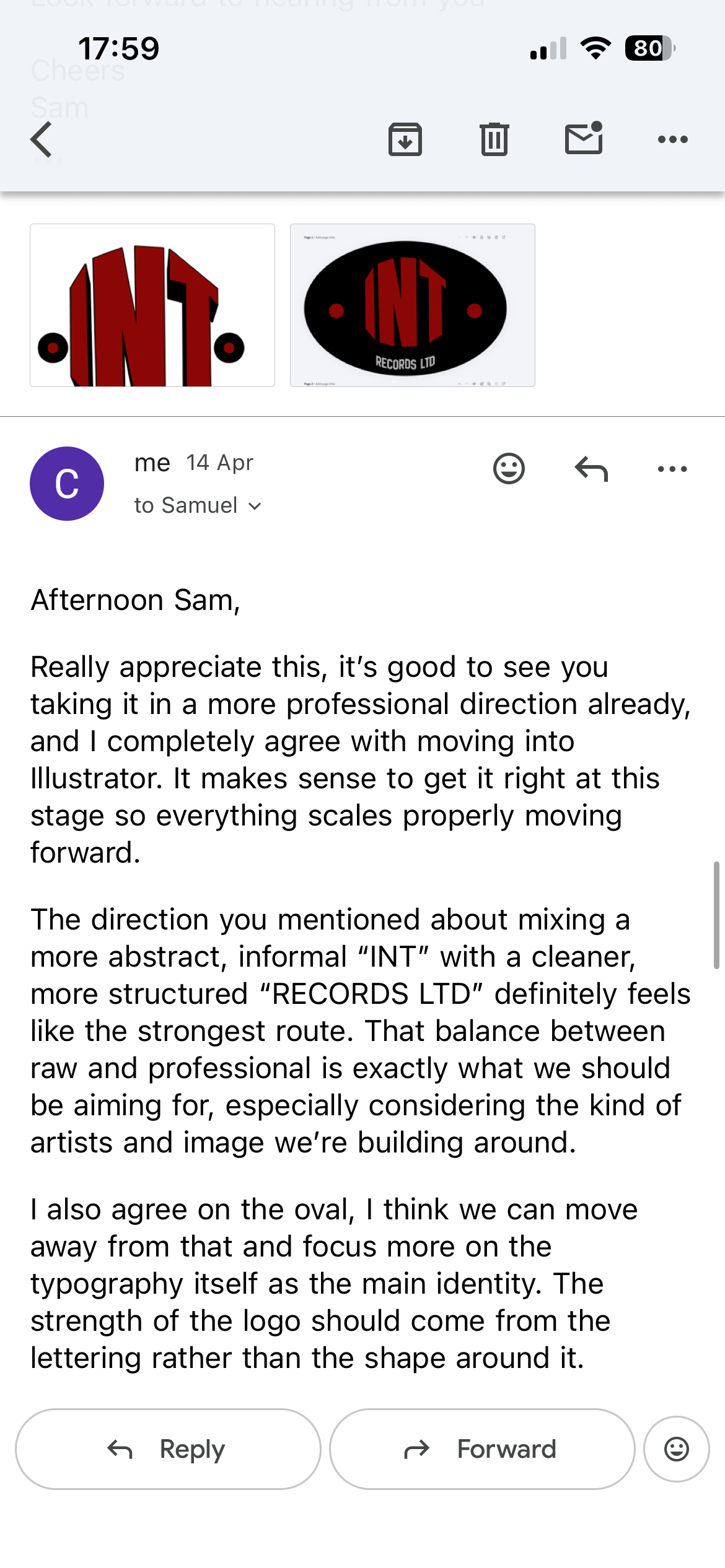
Logo Development Process Captured Through Email Exchanges (Fig B)
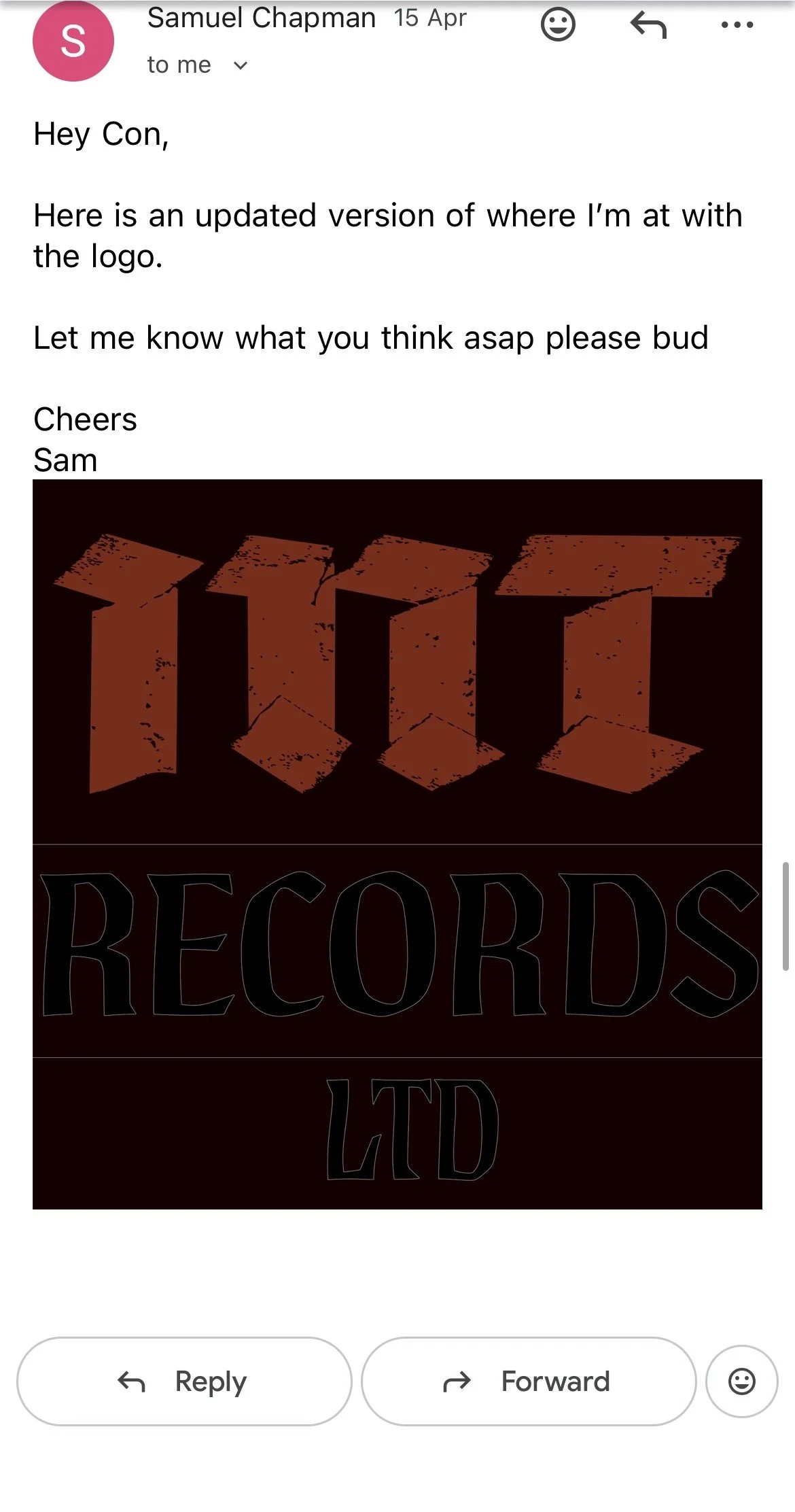
Logo Development Process Captured Through Email Exchanges (Fig C)
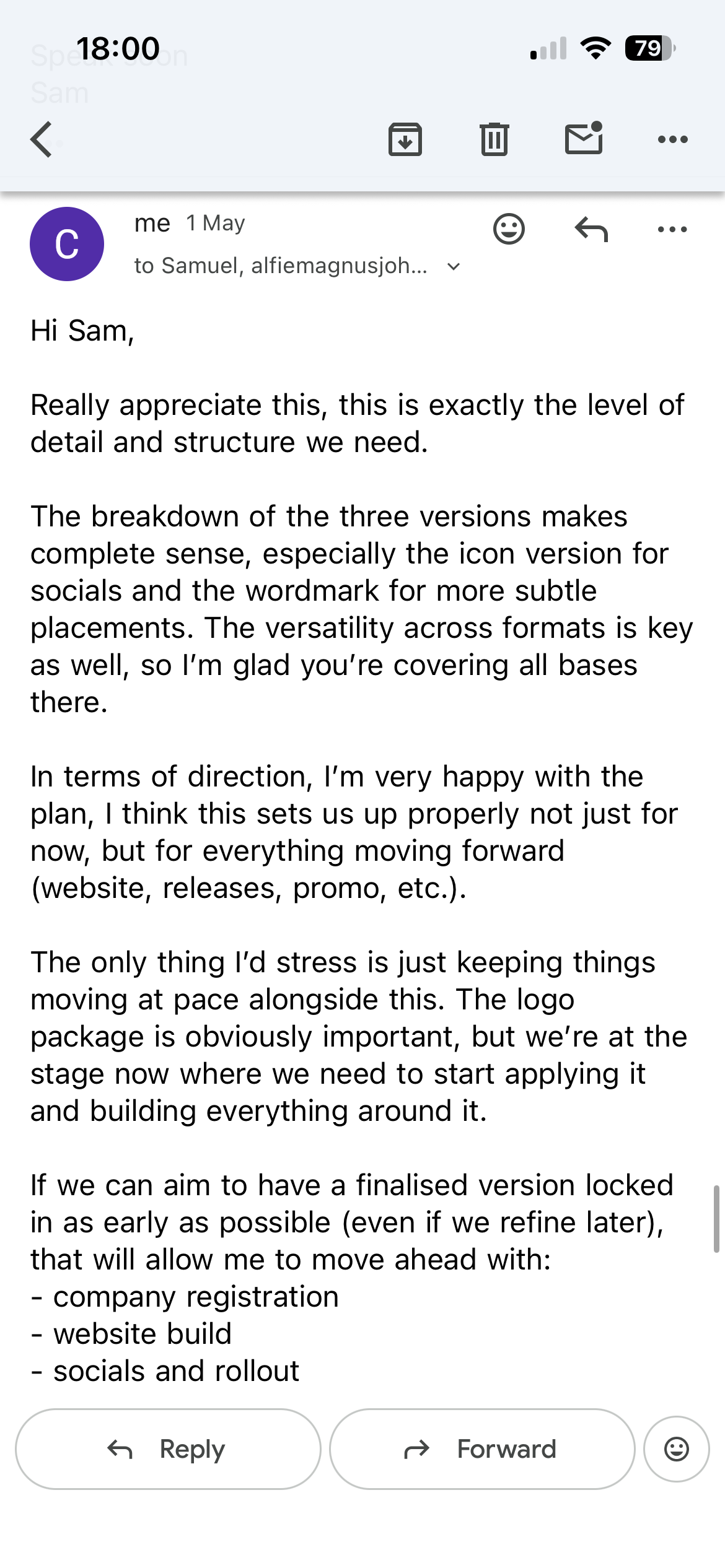
Logo Development Process Captured Through Email Exchanges (Fig E)
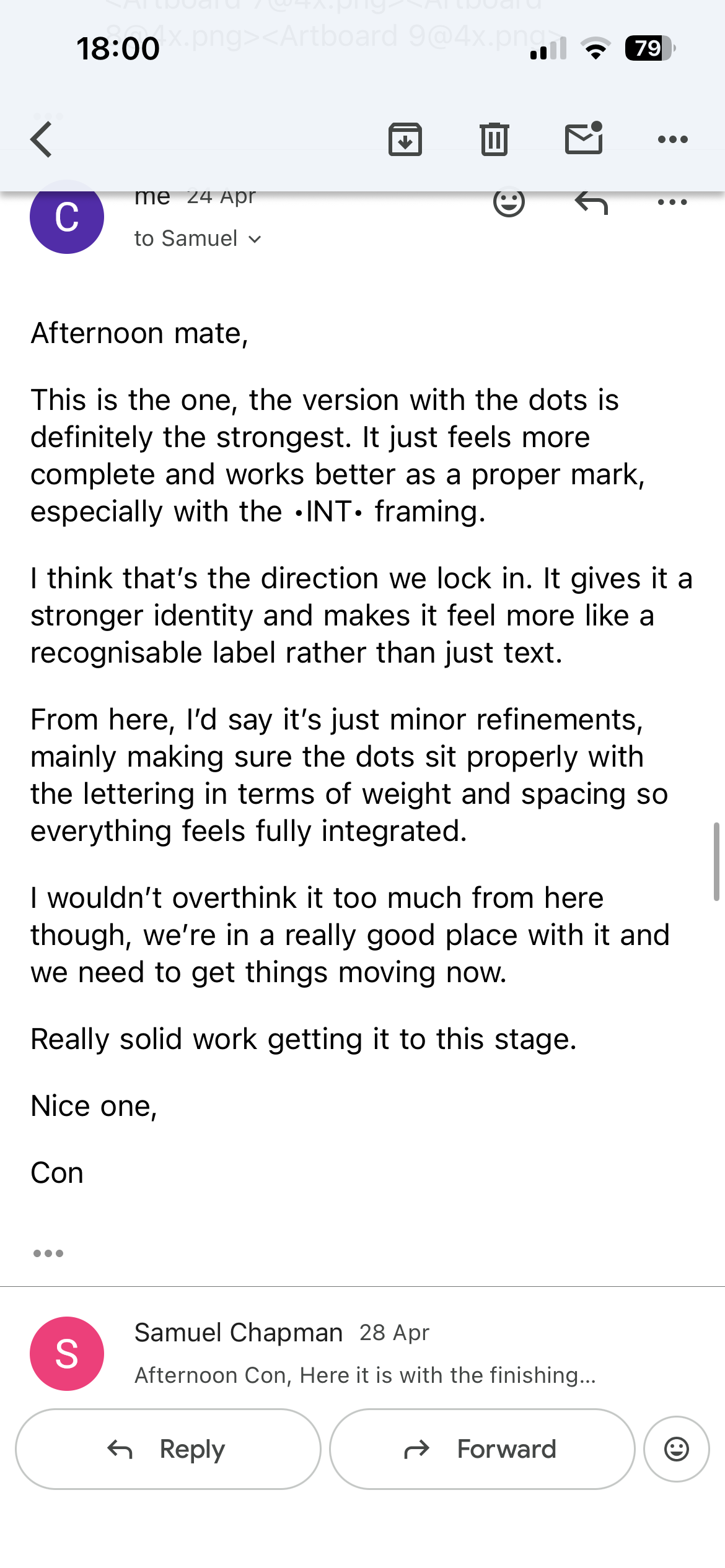
Logo Development Process Captured Through Email Exchanges (Fig F)
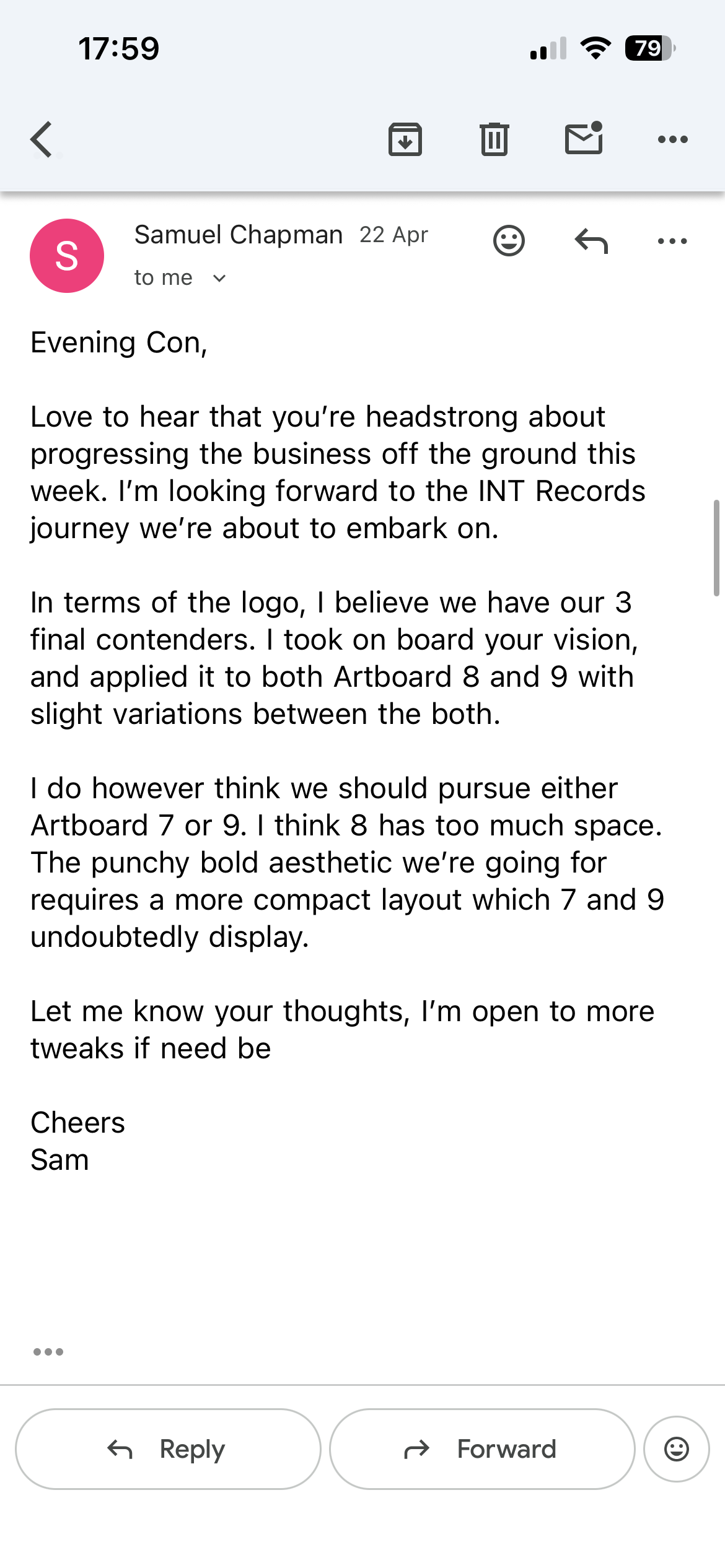
Logo Development Process Captured Through Email Exchanges (Fig G)
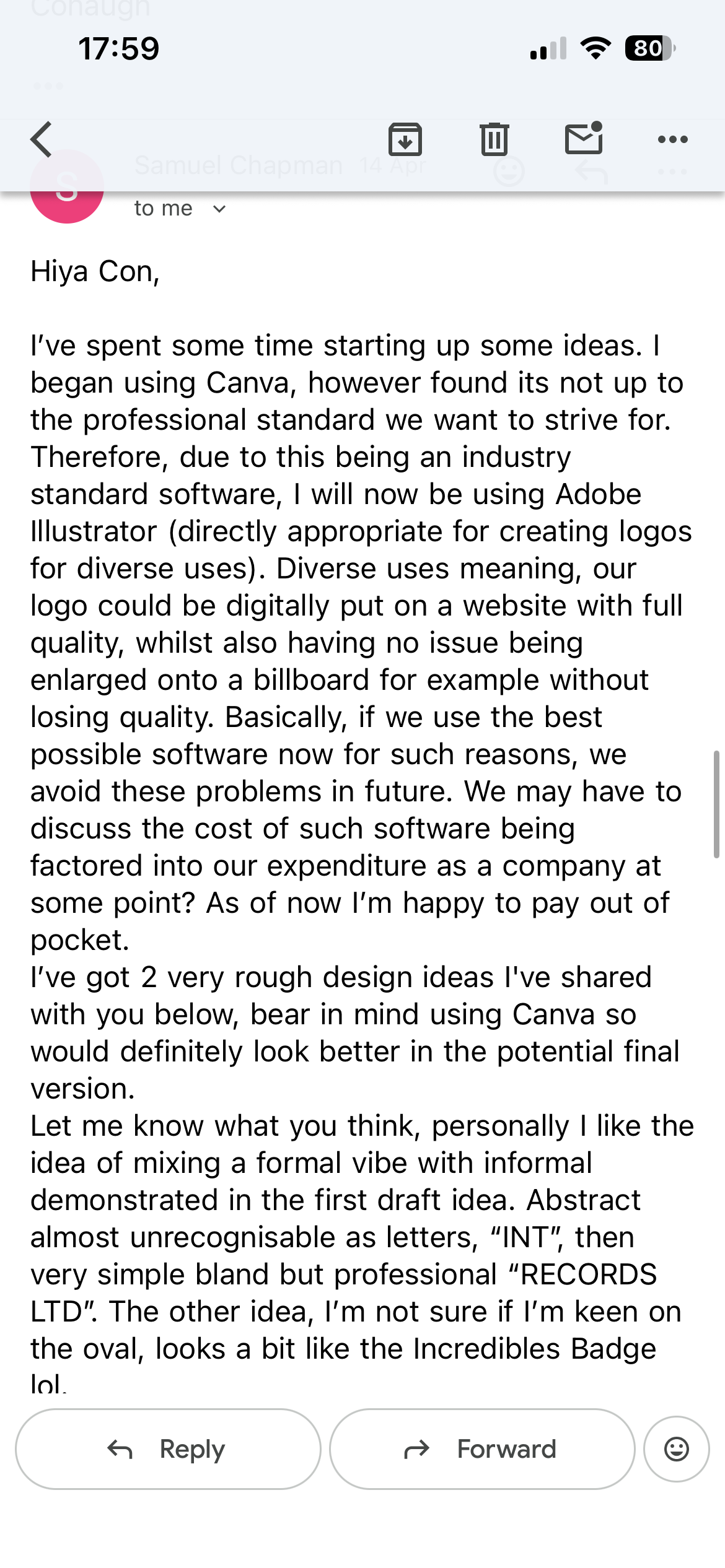
Logo Development Process Captured Through Email Exchanges (Fig H)
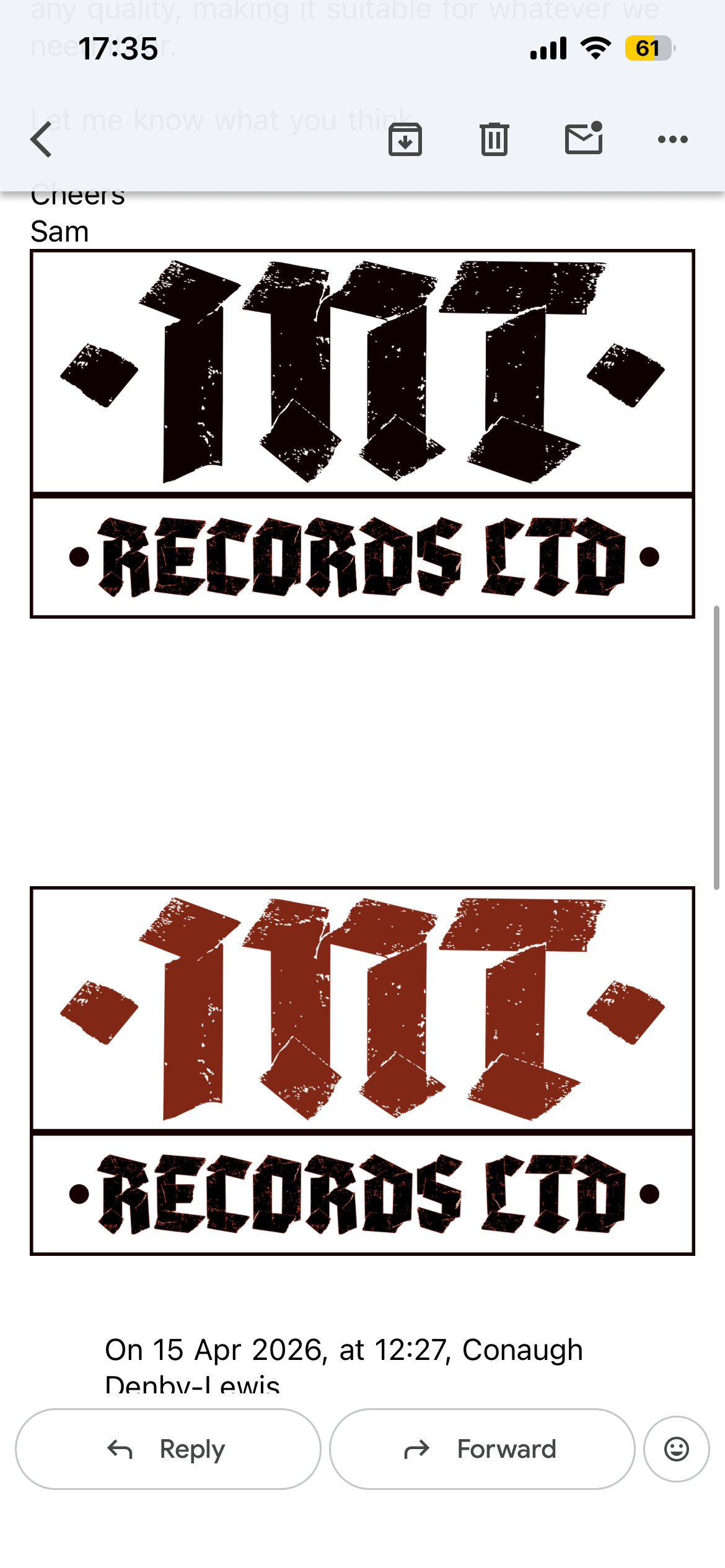
Logo Development Process Captured Through Email Exchanges (Fig I)
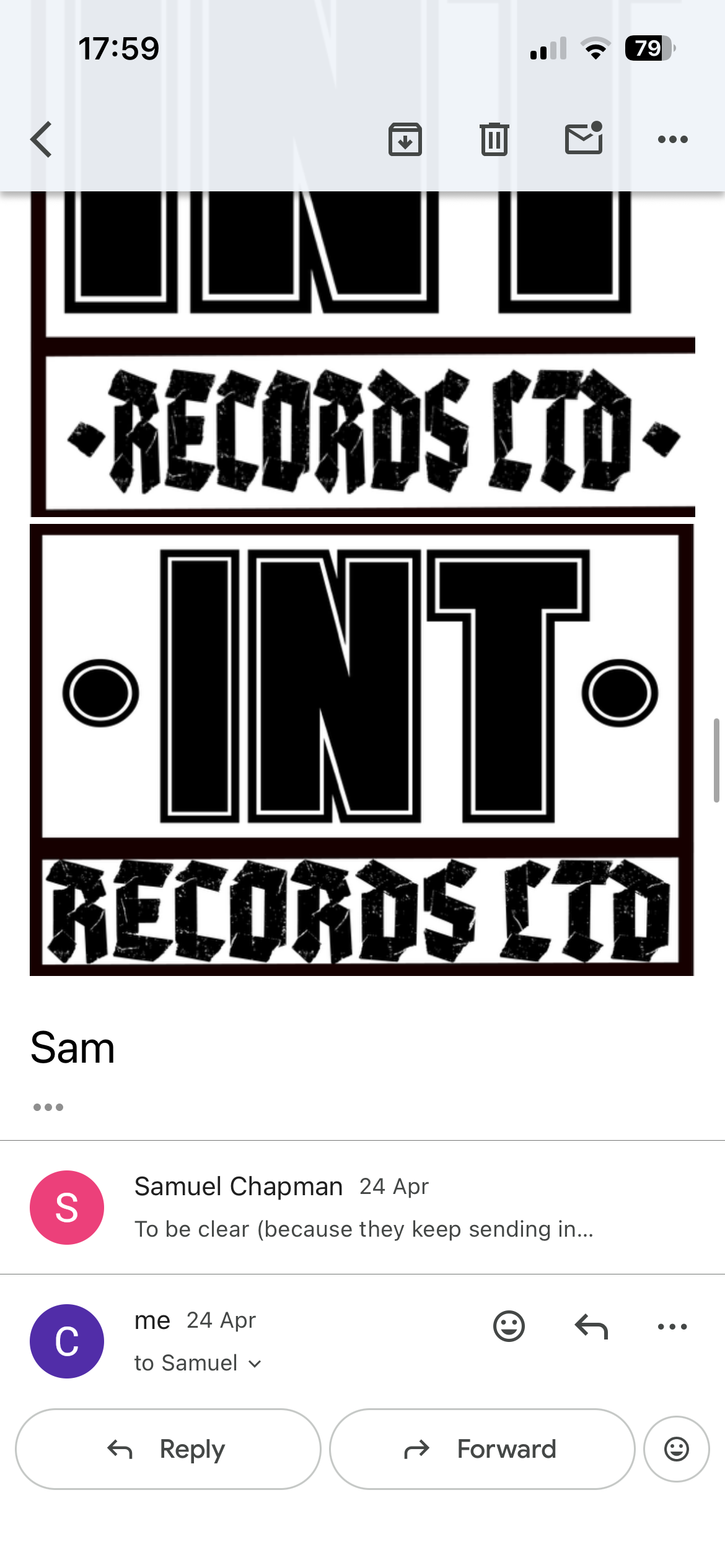
Logo Development Process Captured Through Email Exchanges (Fig D)
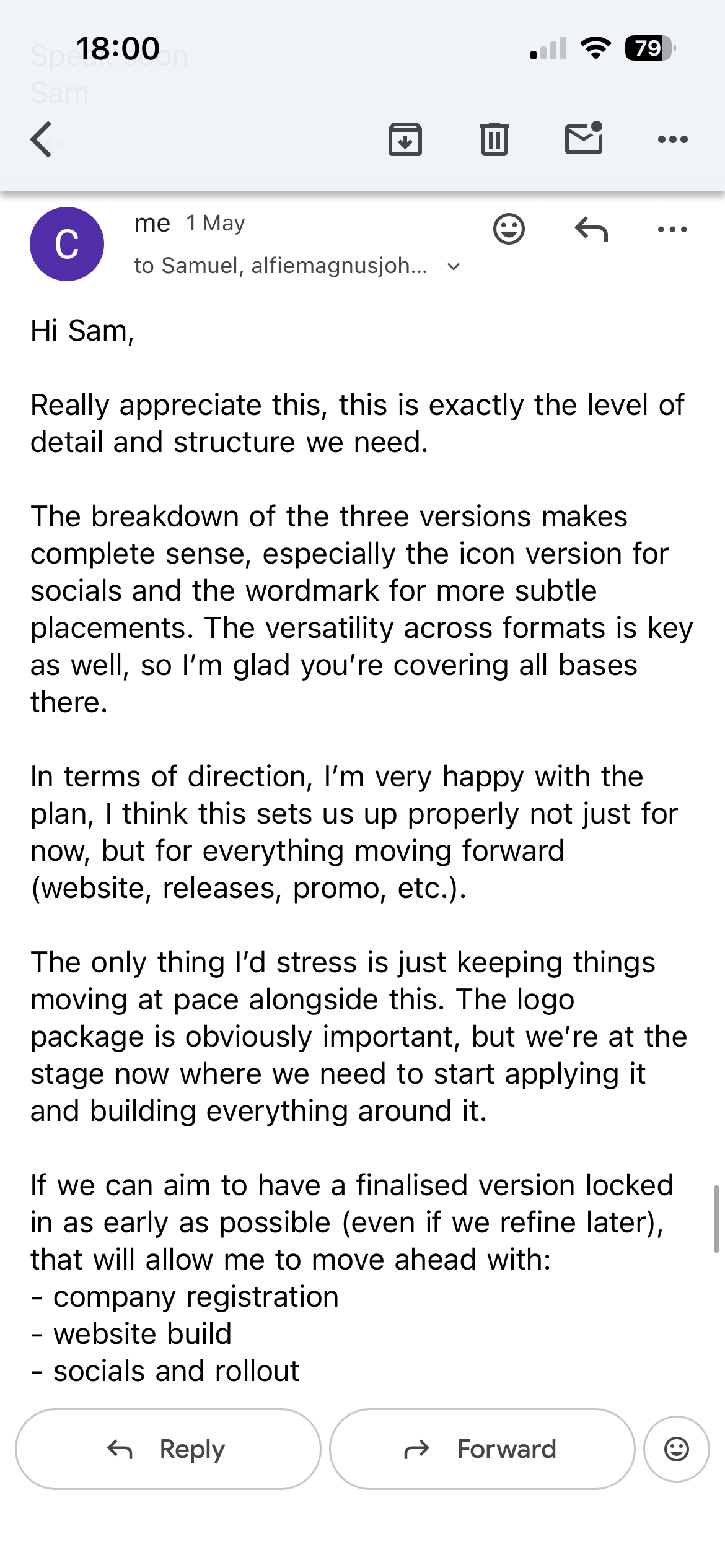
Logo Development Process Captured Through Email Exchanges (Fig J)
Company registration & infrastructure
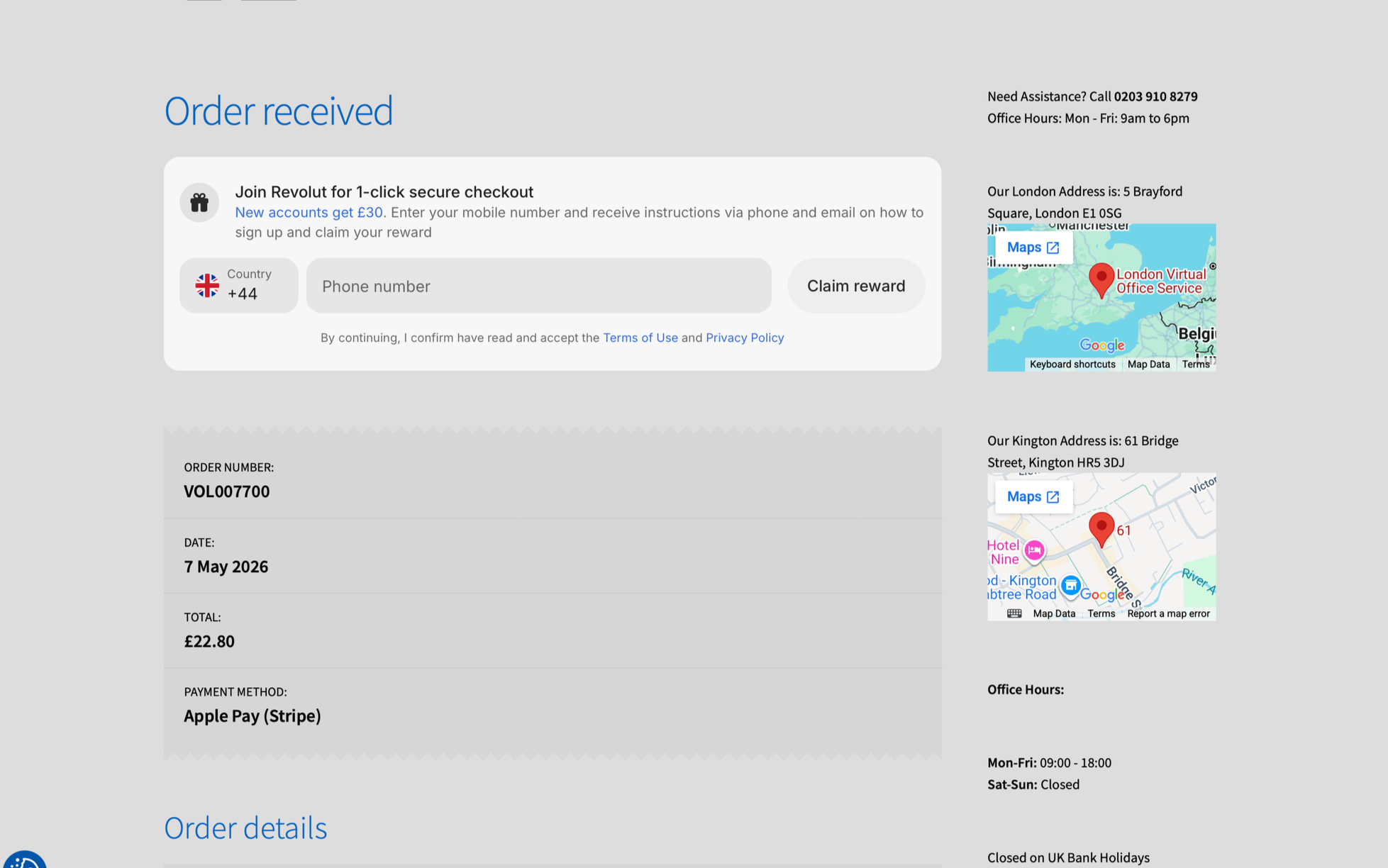
Buying Our Office Space
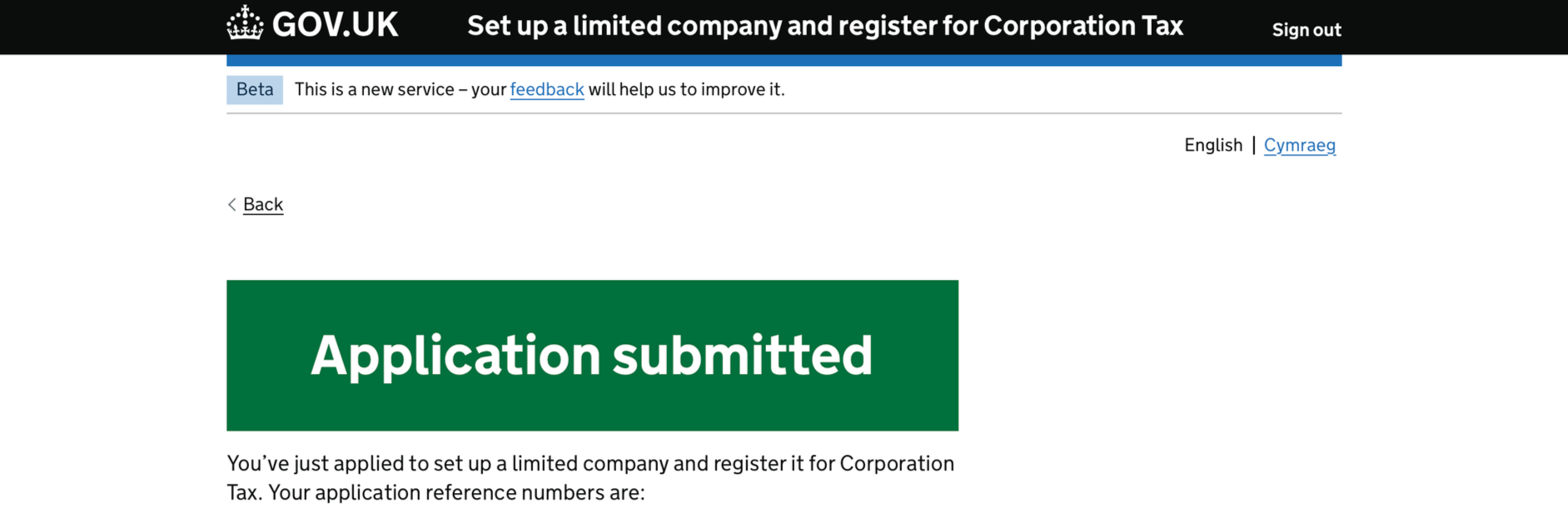
Submitting Company Application
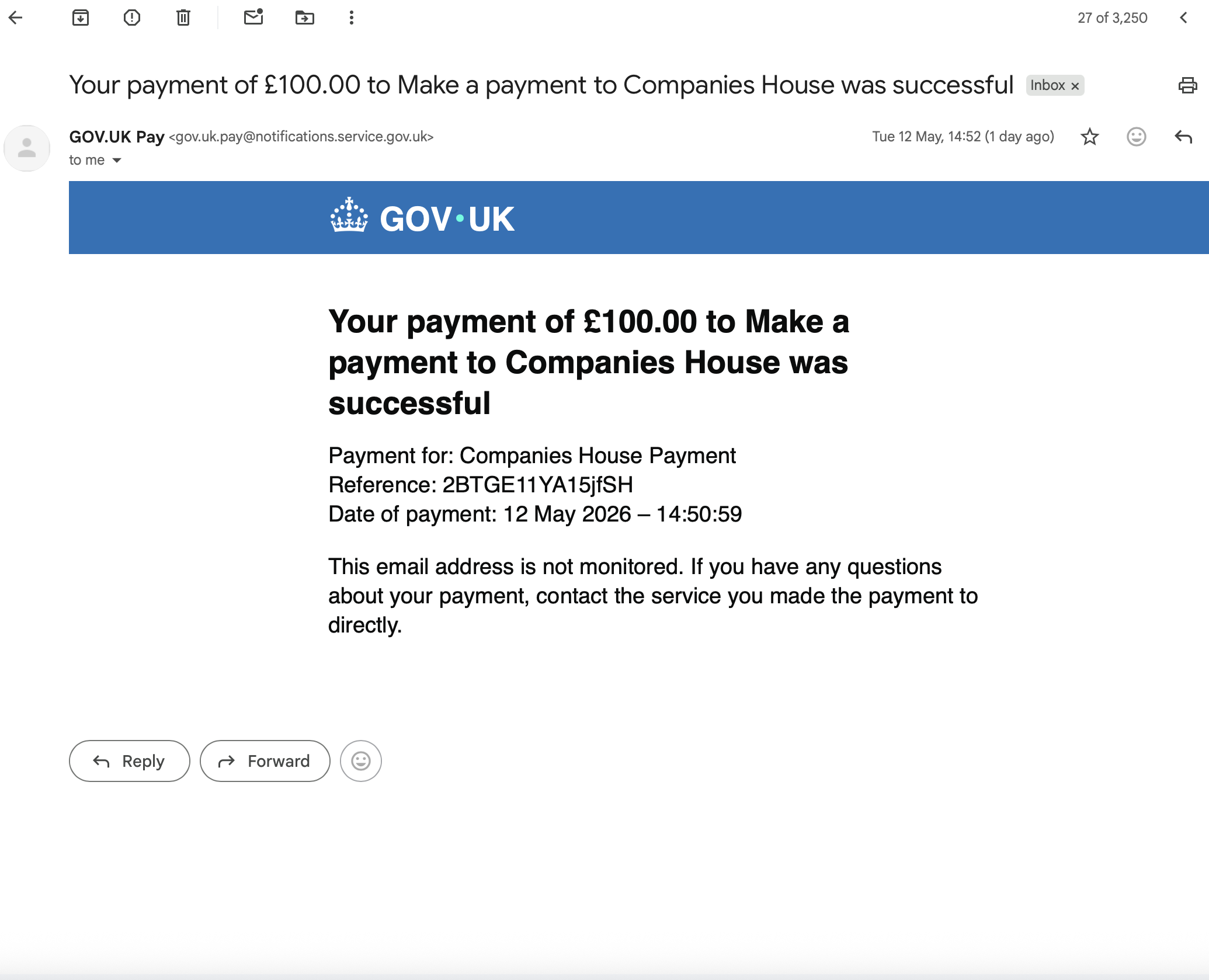
Paying Companies house
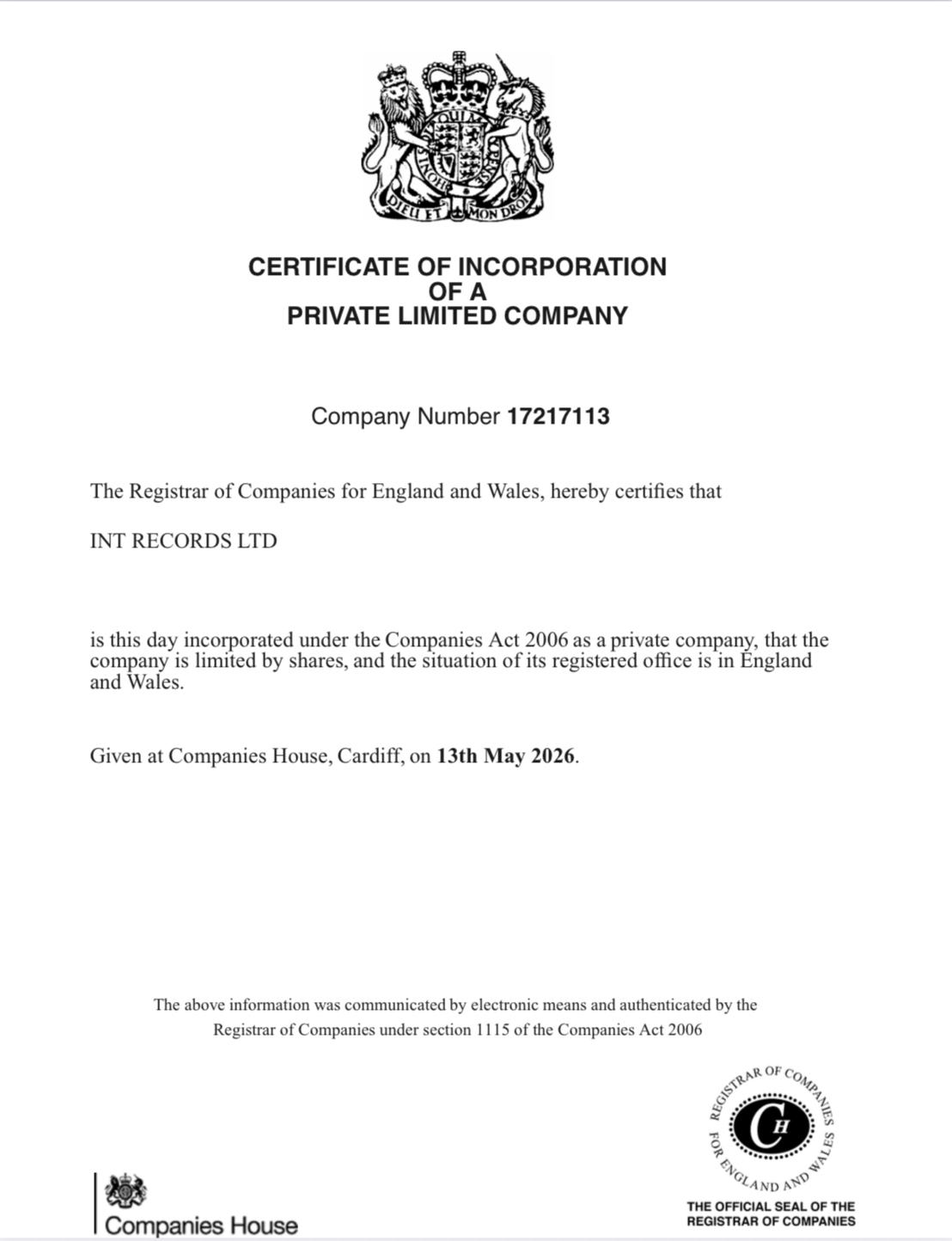
Certificate Of Incorporation
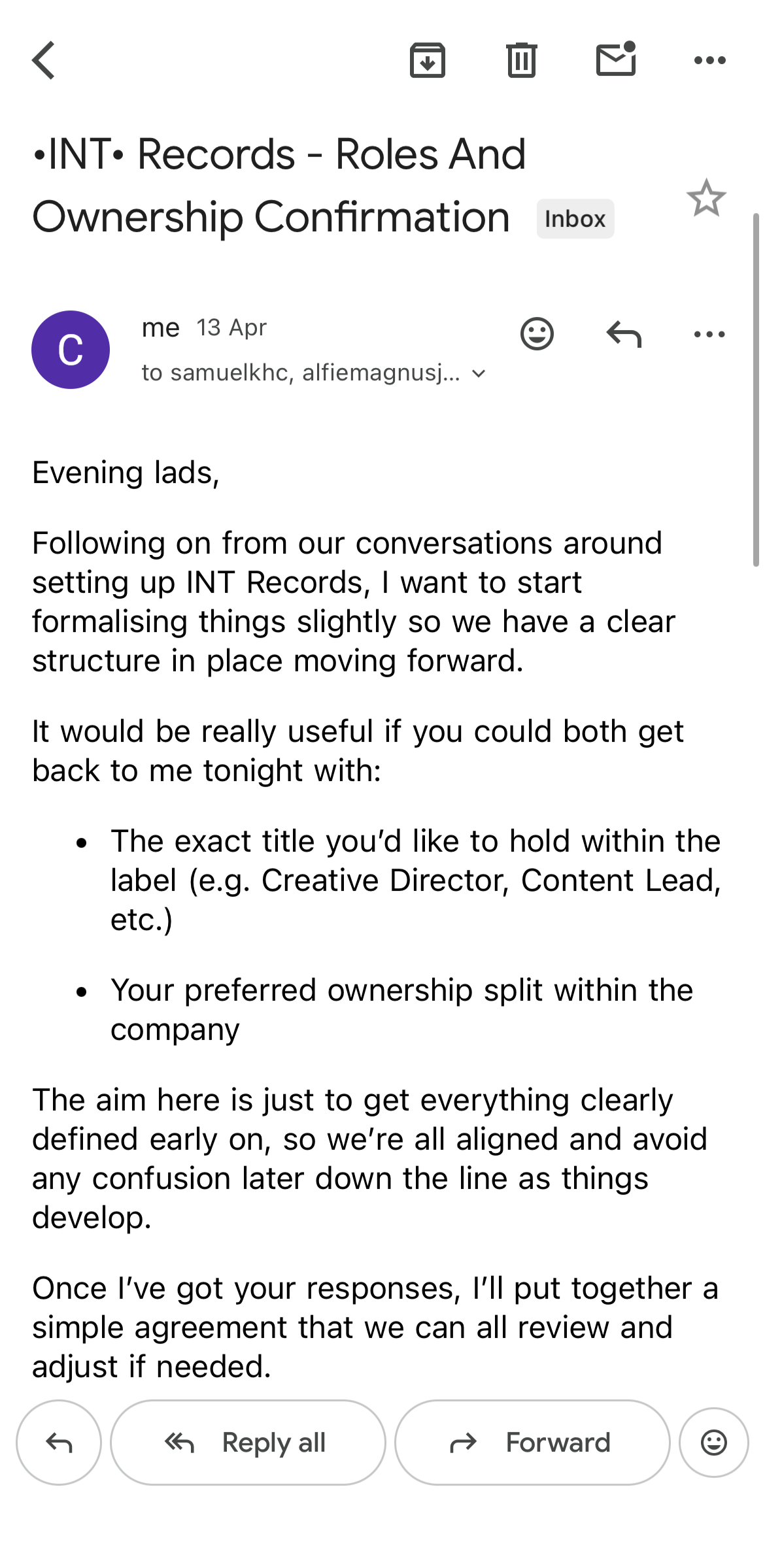
Email Chains Discussing Ownership, Roles And Infrastructure (Fig A)
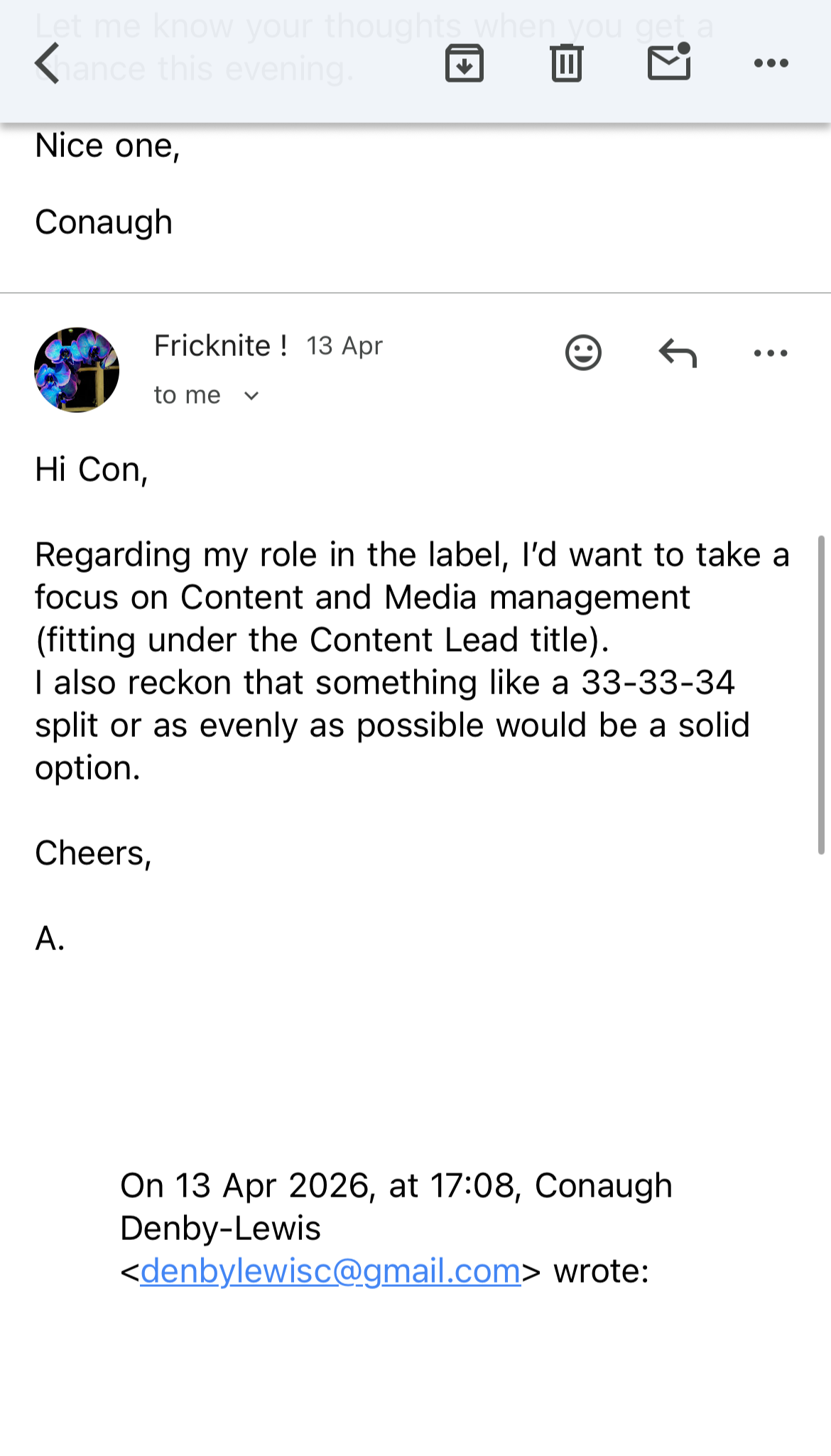
Email Chains Discussing Ownership, Roles And Infrastructure (Fig B)
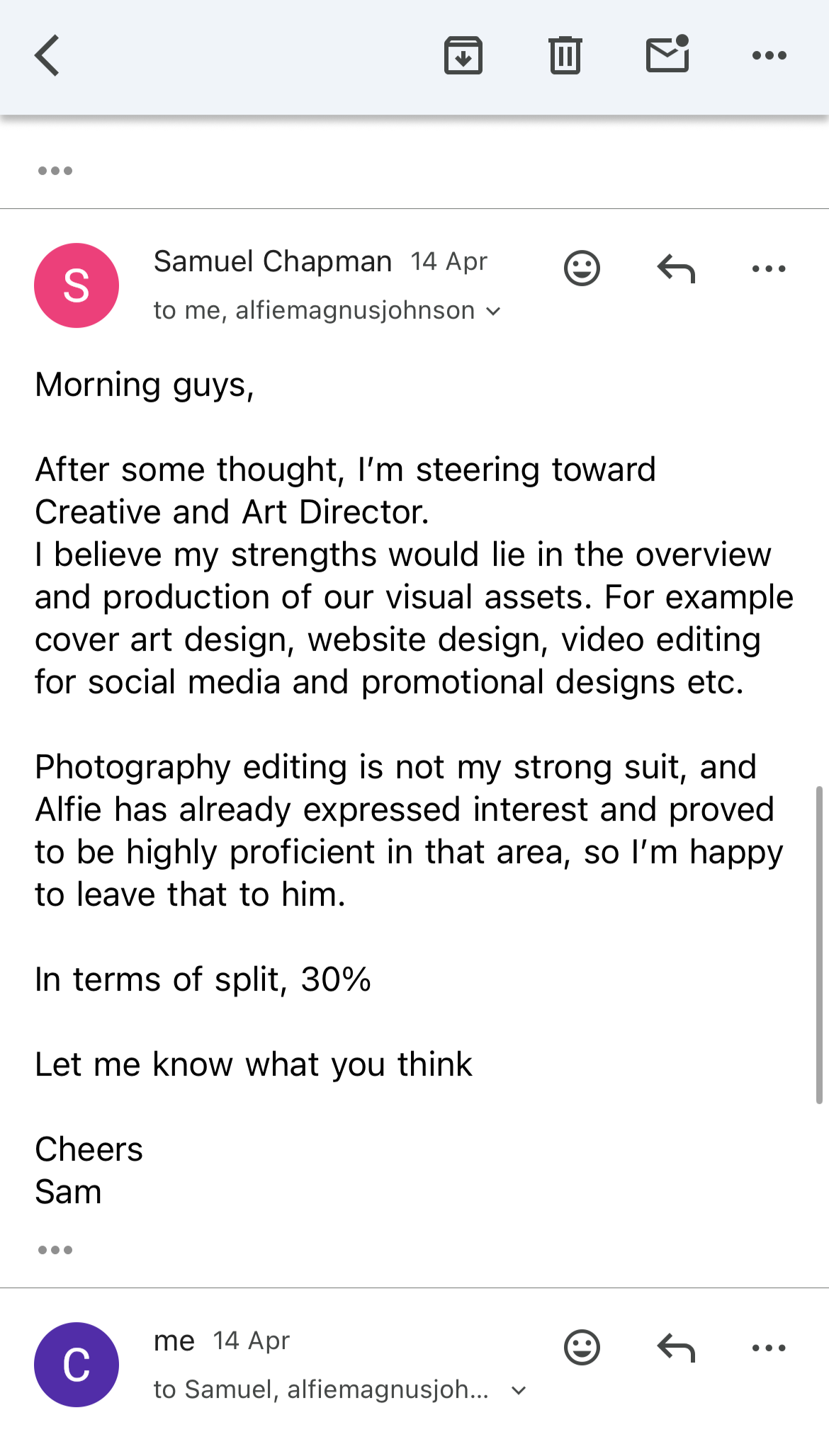
Email Chains Discussing Ownership, Roles And Infrastructure (Fig C)
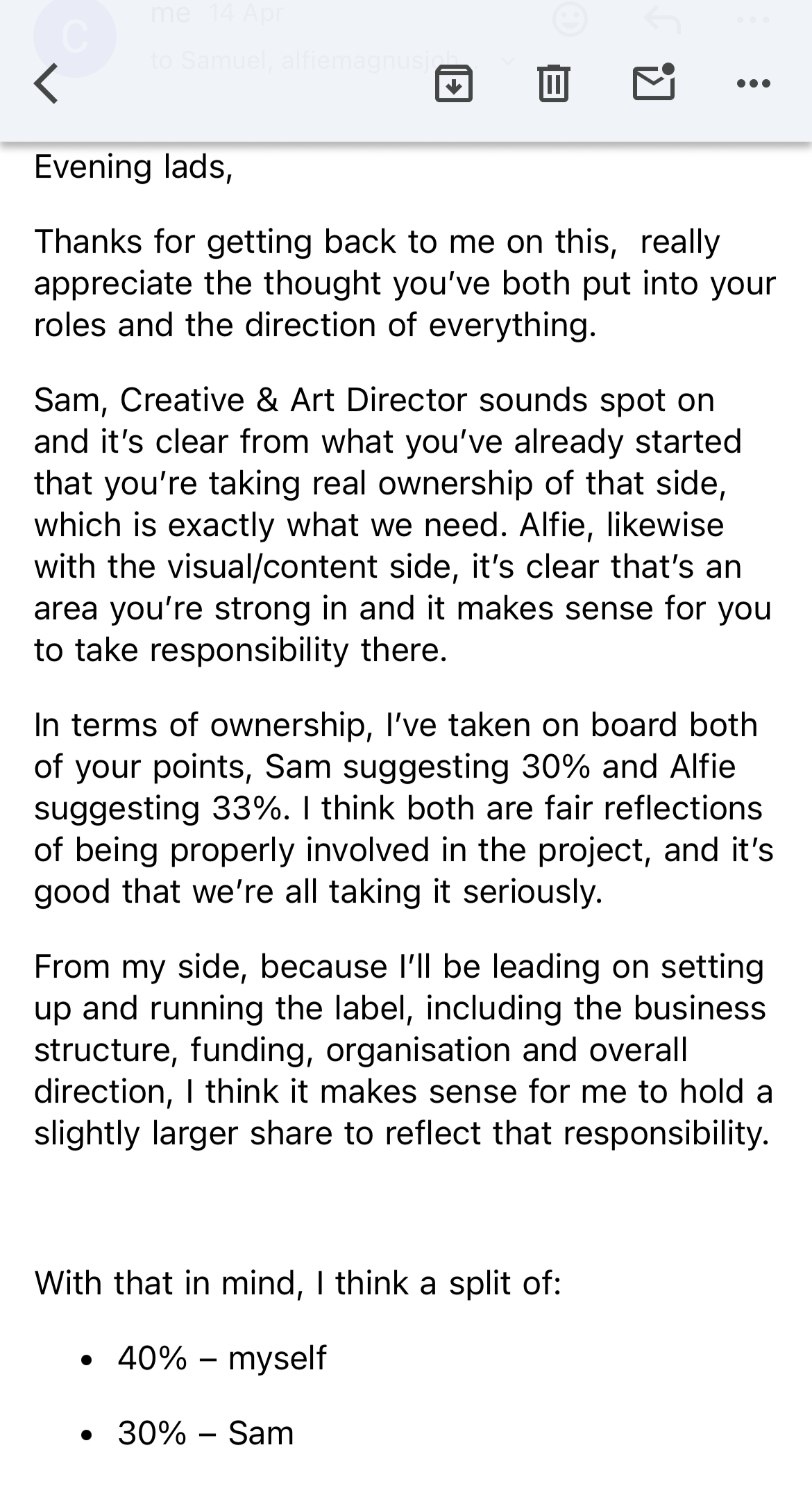
Email Chains Discussing Ownership, Roles And Infrastructure (Fig D)
Securing Our Domain
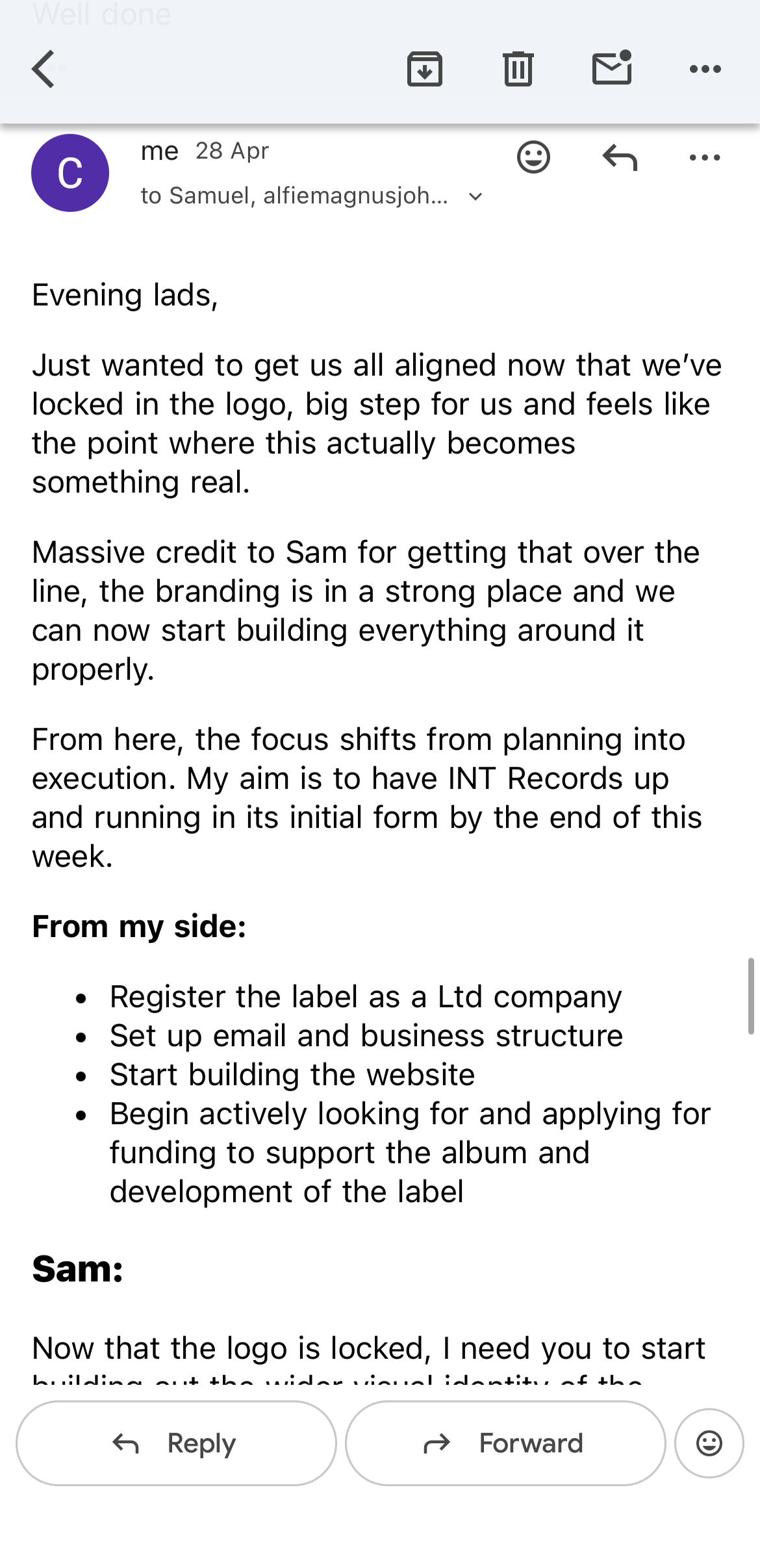
Conversations On Next Steps (Fig A)
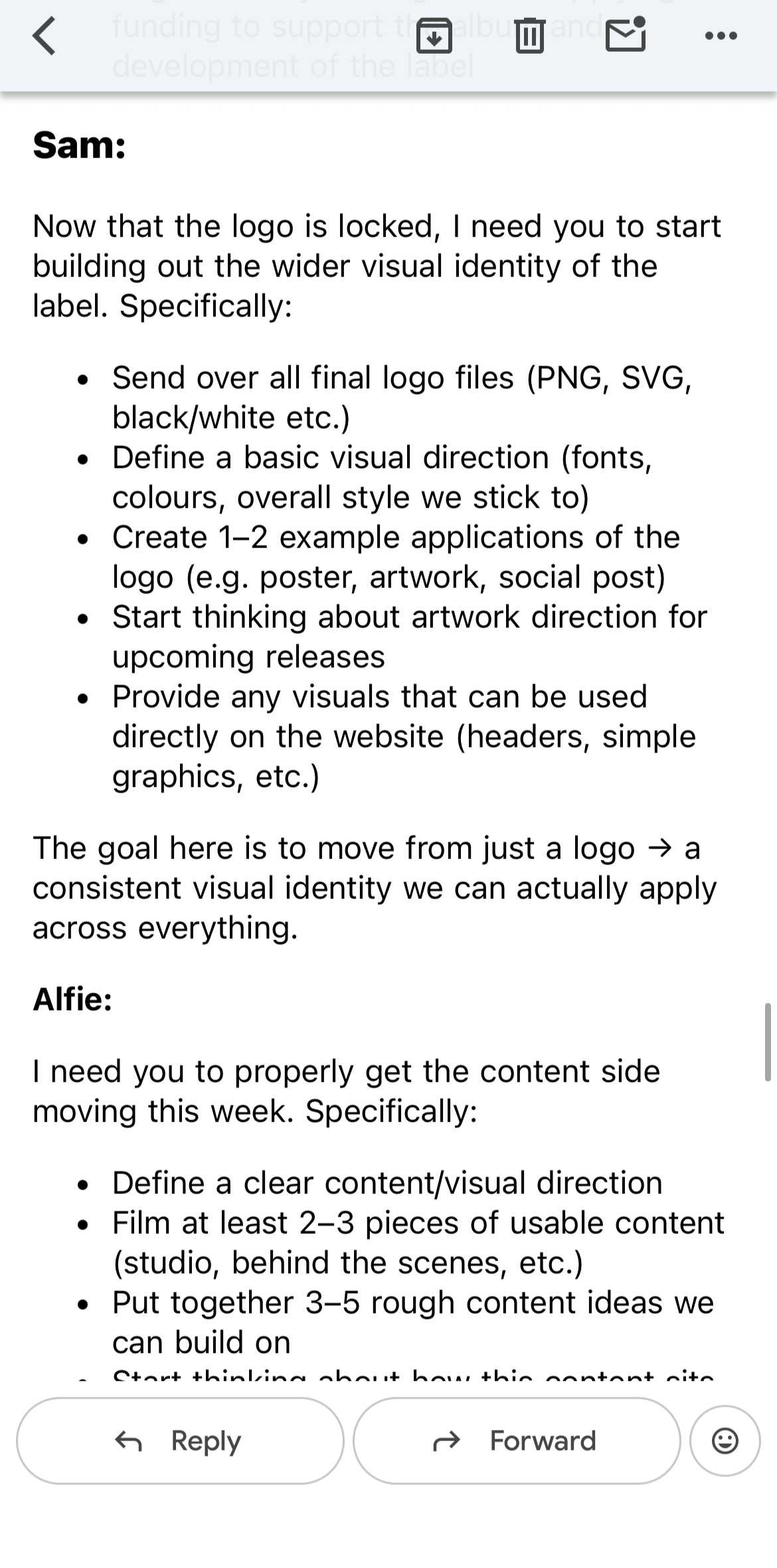
Conversations On Next Steps (Fig B)
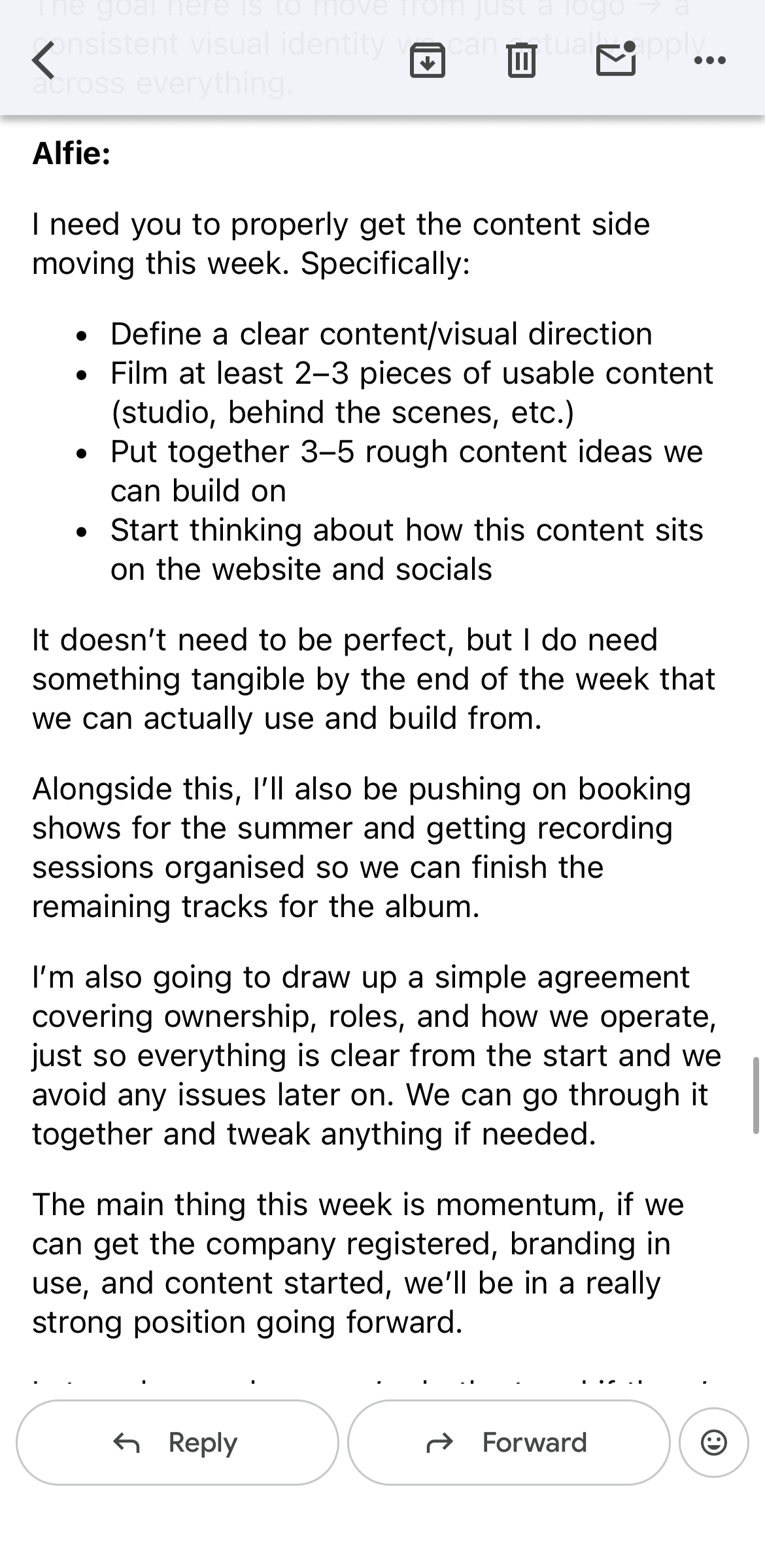
Conversations On Next Steps (Fig C)
Conversations On Next Steps (Fig D)
Discussing Set Up Costs (Fig A)
More Next Steps (Fig A)
Discussing Content Direction (Fig A)
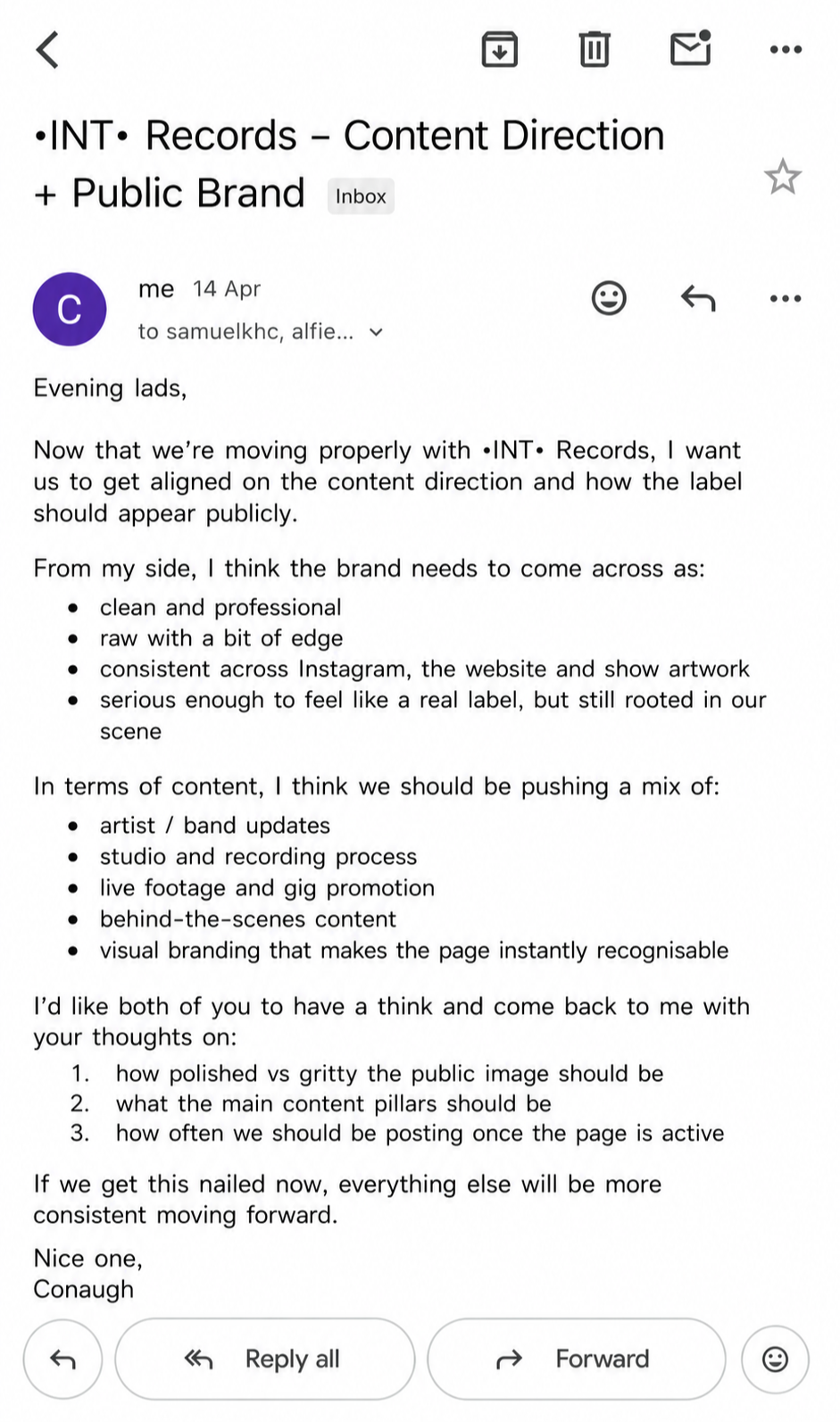
Discussing Content Direction (Fig B)
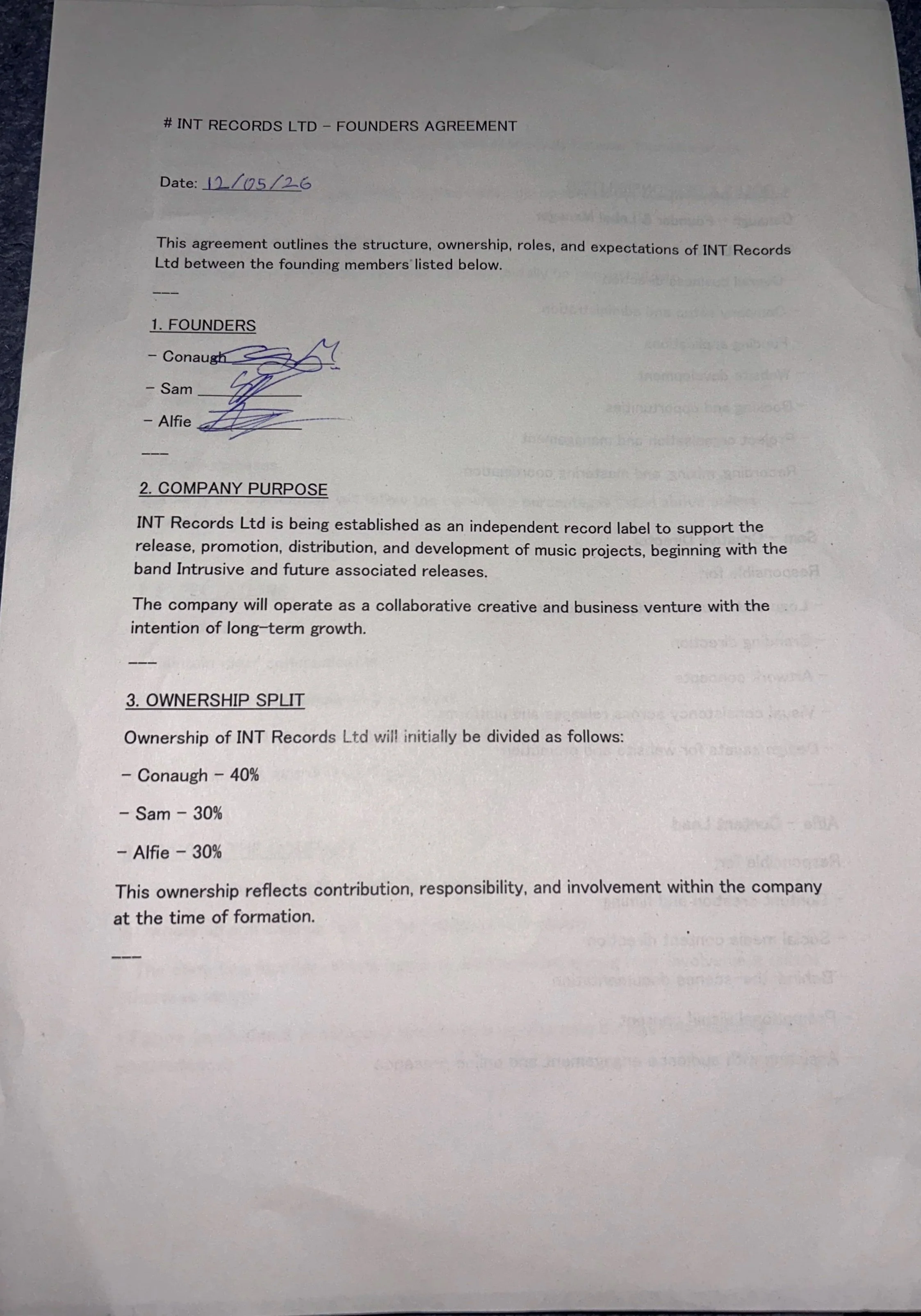
Ownership Agreement
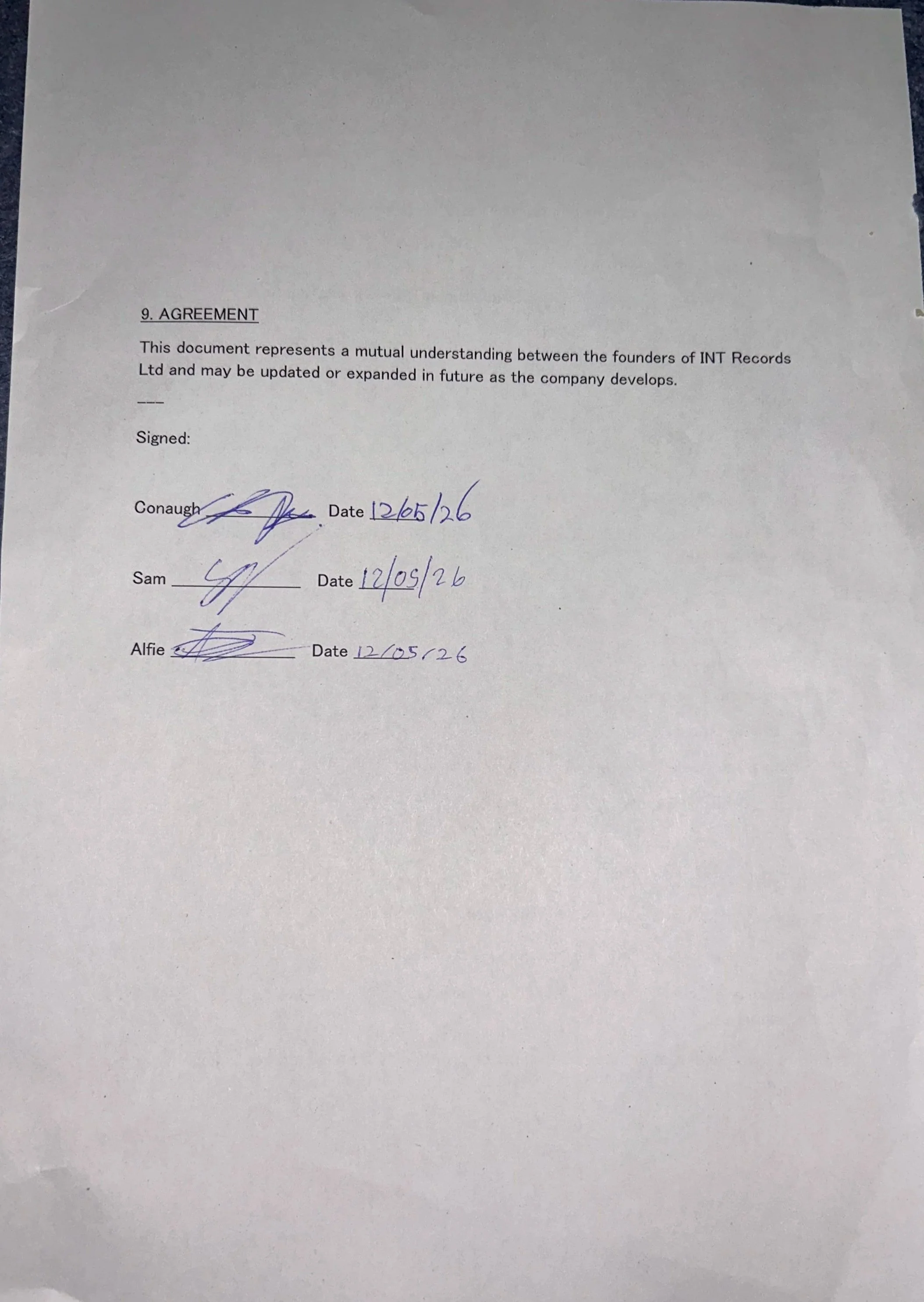
Ownership Signatures
Studio & production PROCESS/Promoter outreach
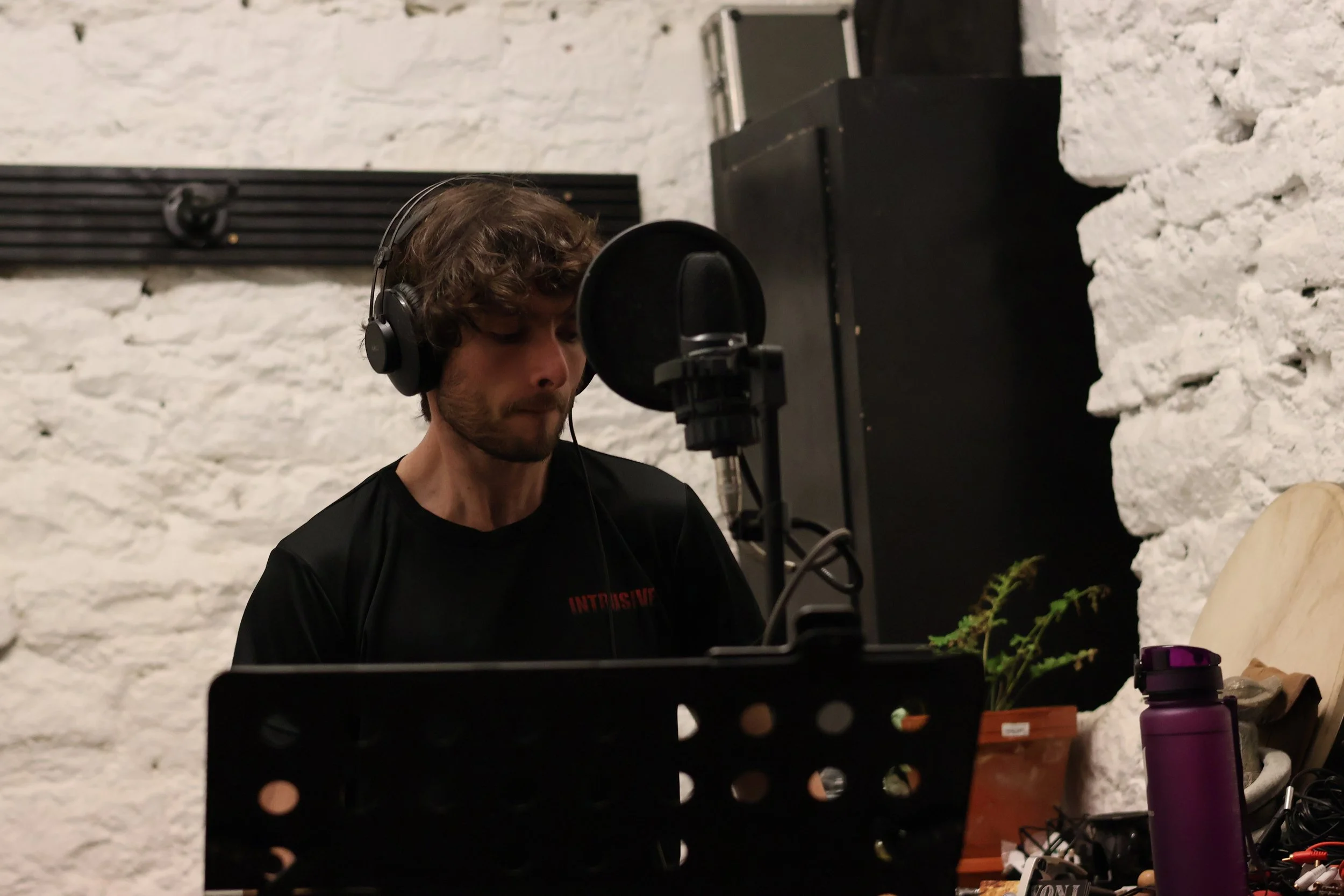
Sam Recording Vocals At Cave Studios
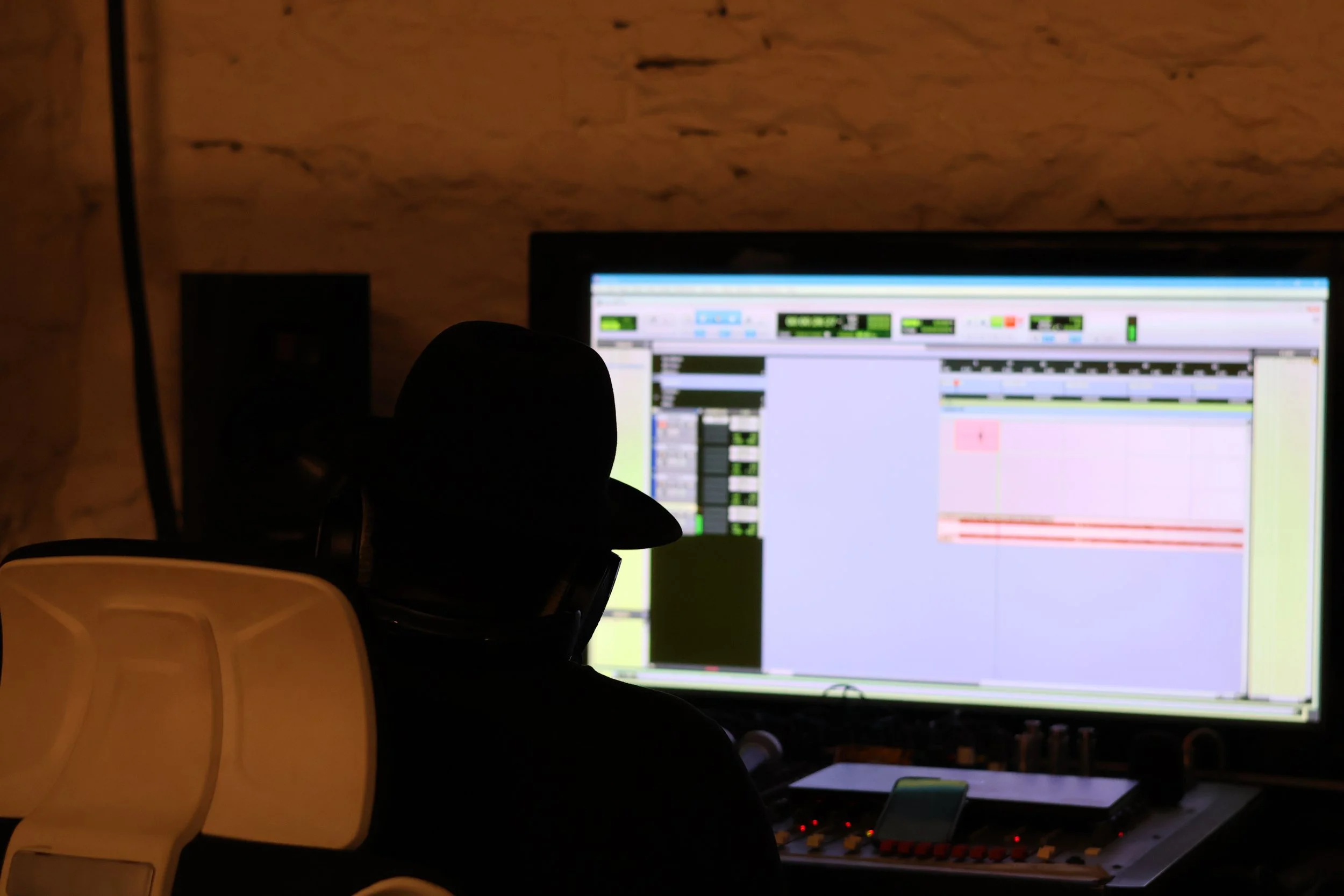
Vonj Engineering Recordings For Our Album
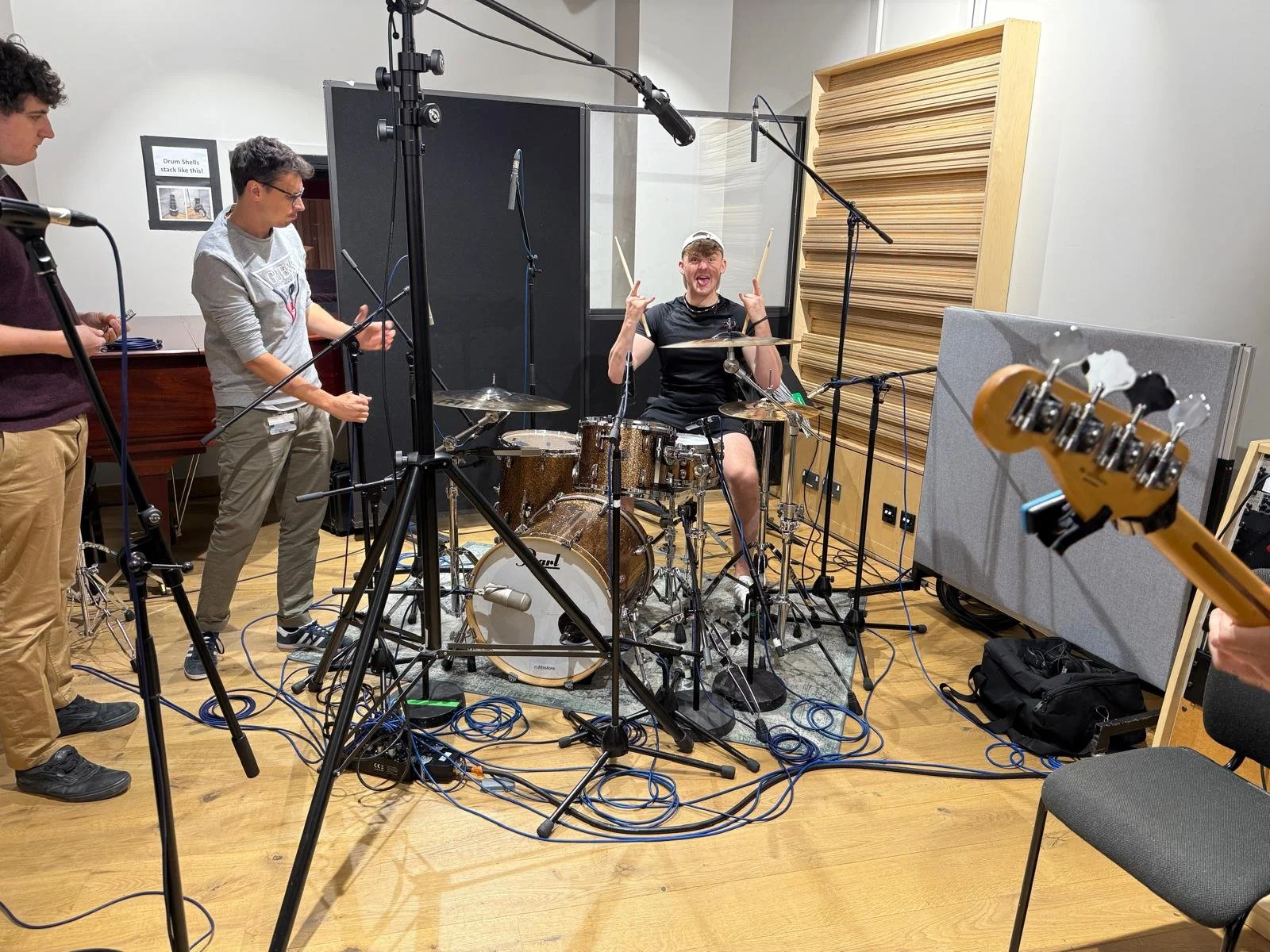
Tracking Drums With Niccolo Conti
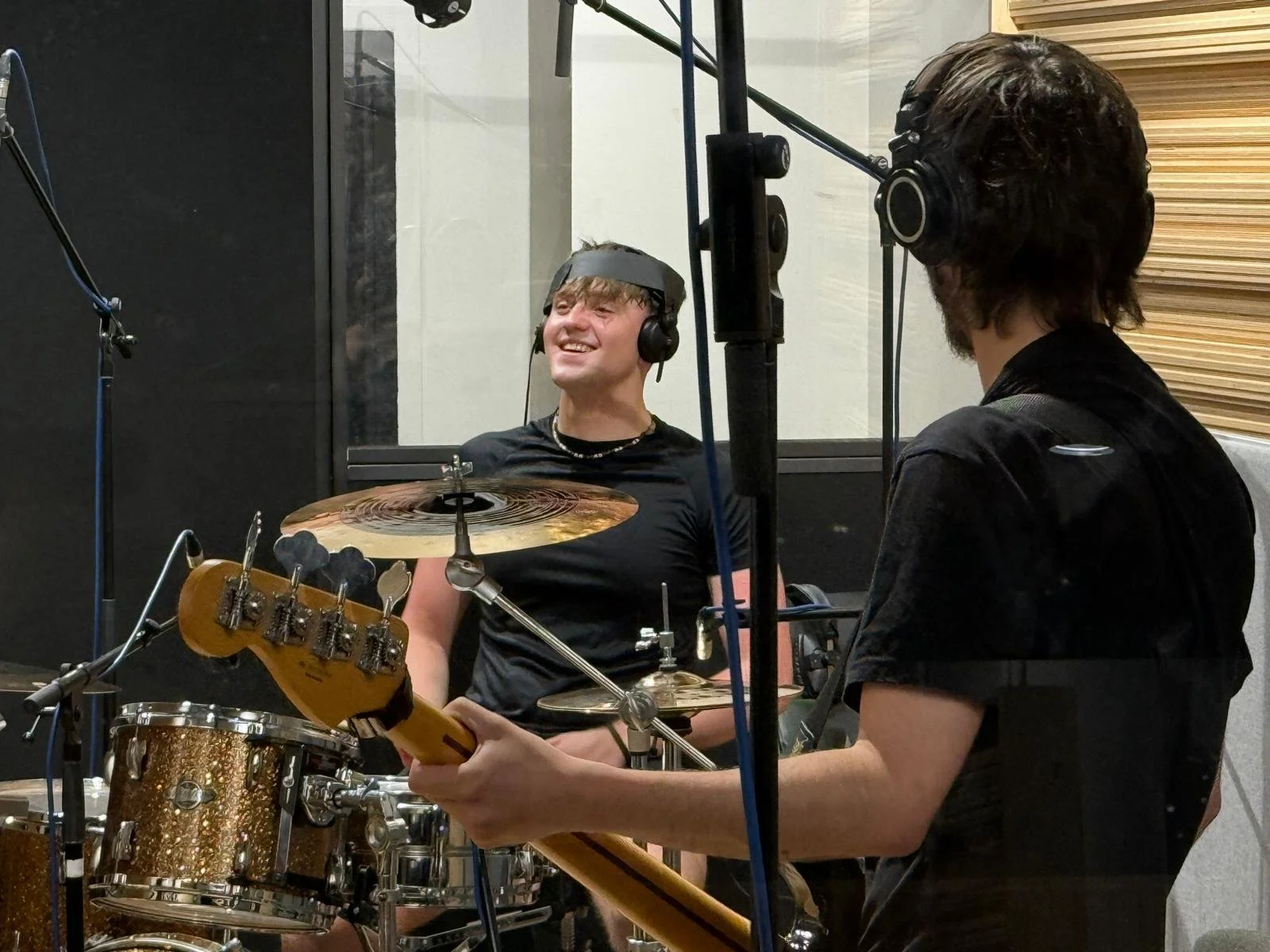
Recording
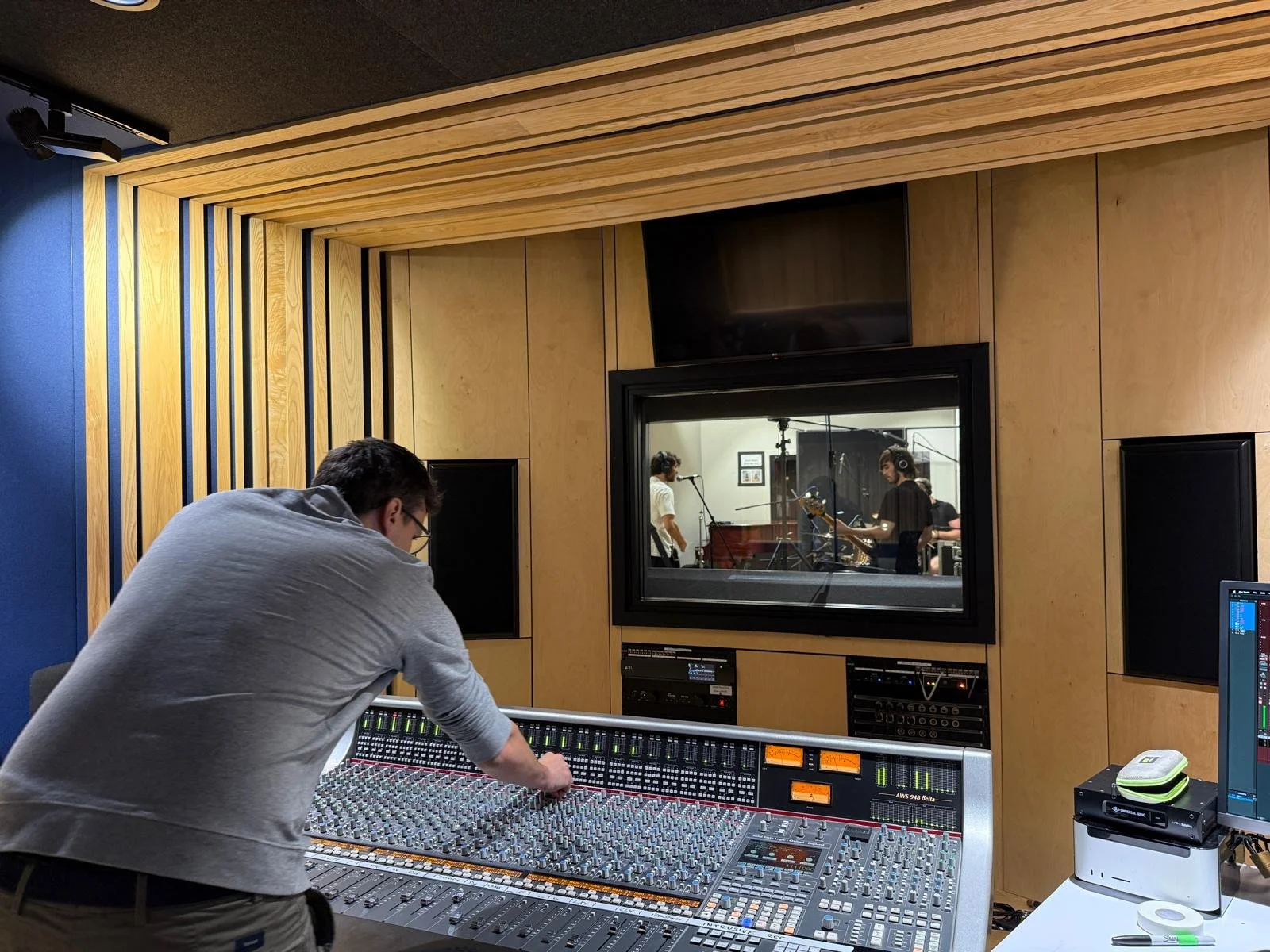
Niccolo Conti Engineering
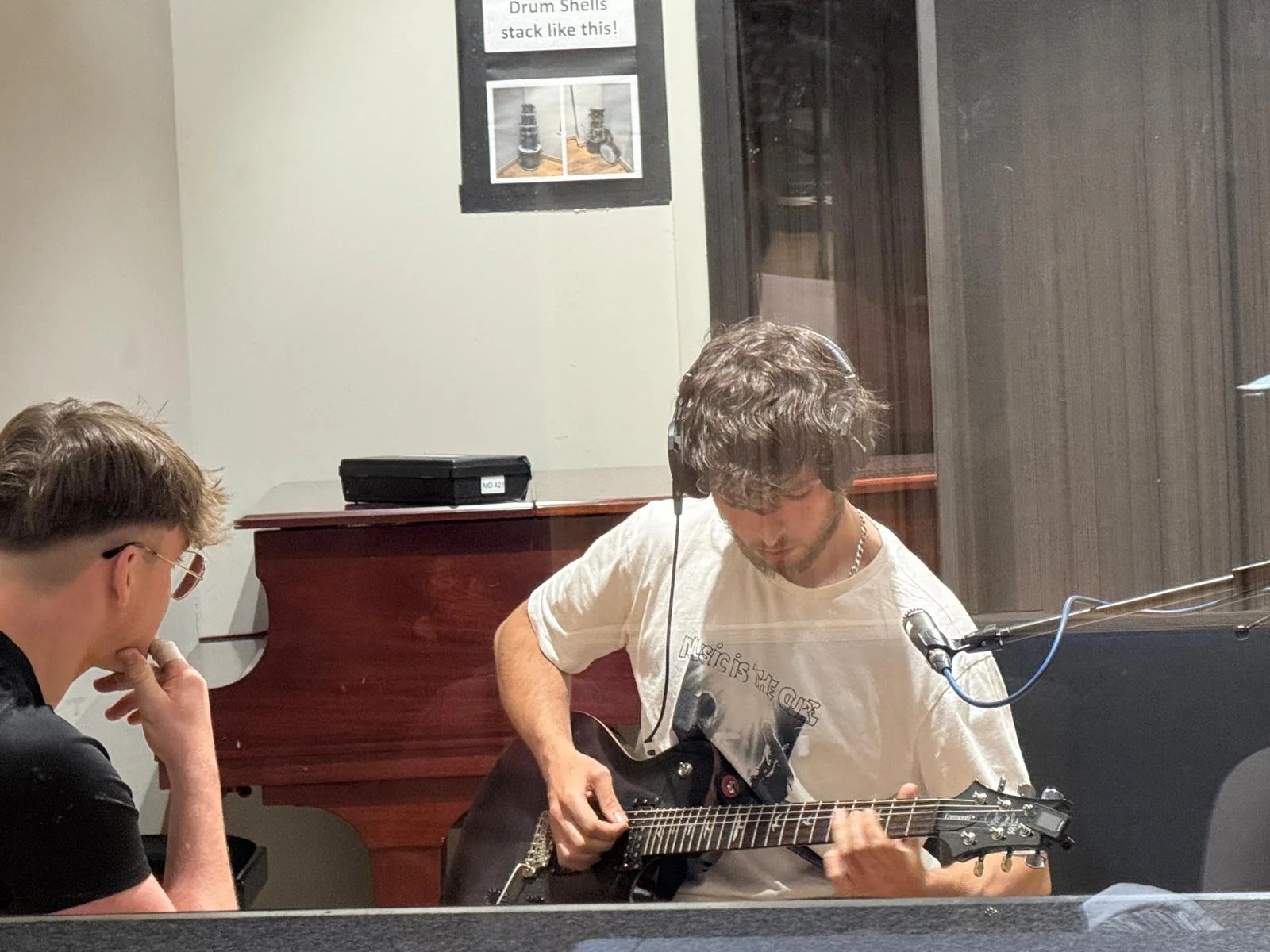
Working On Guitar Parts
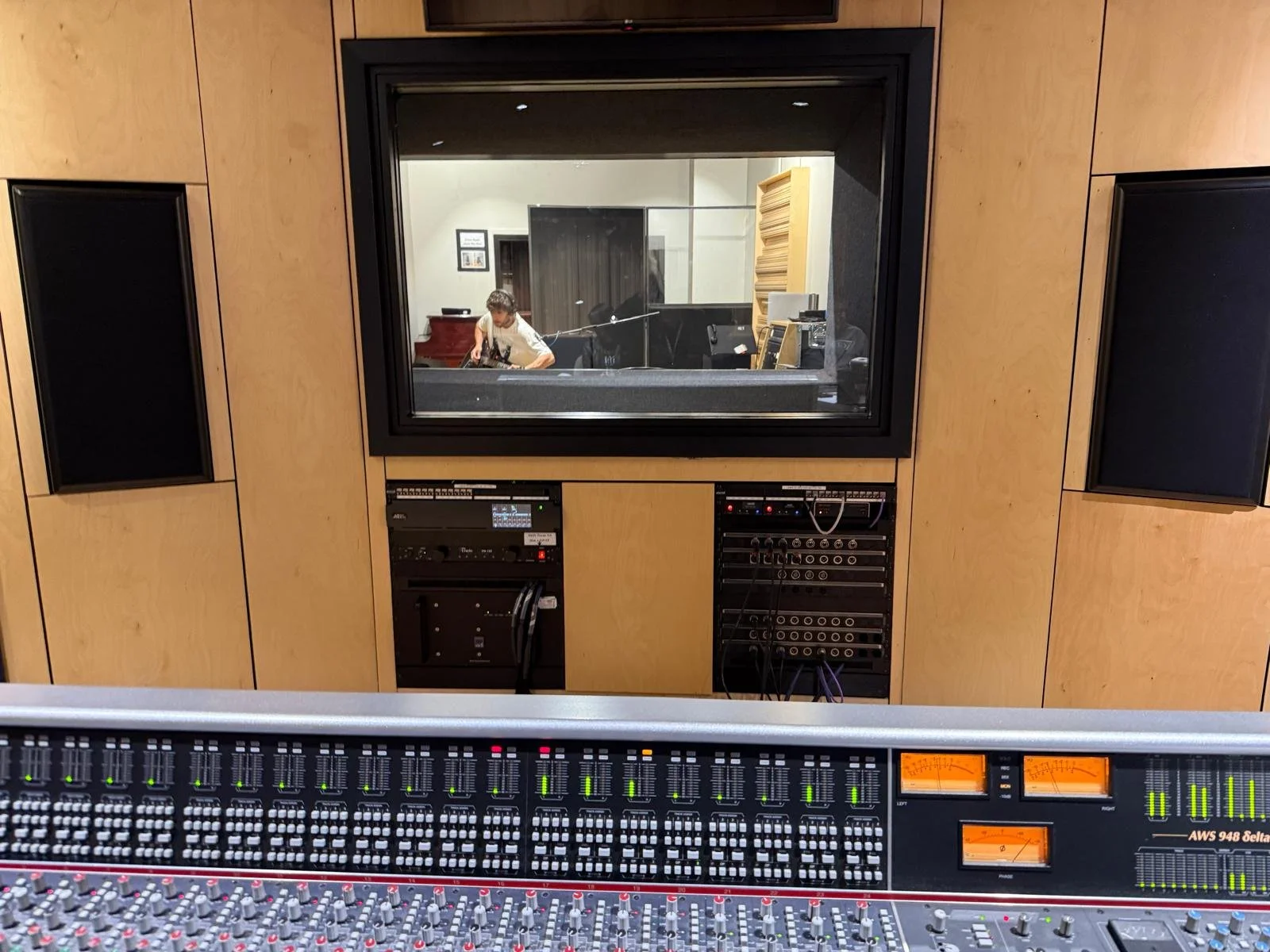
Sam Recording Guitar Solos
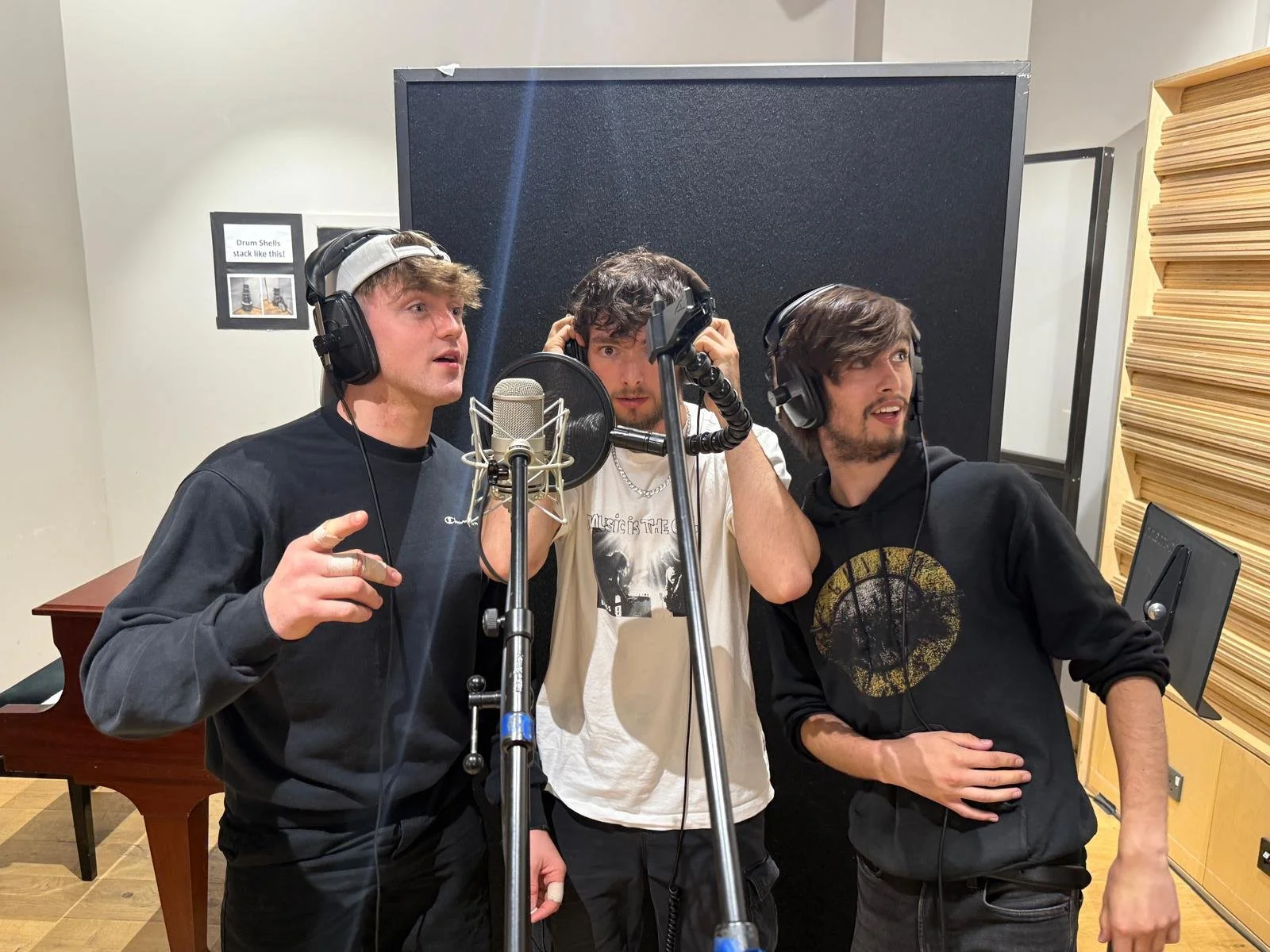
Recording Gang Vocals For The Album
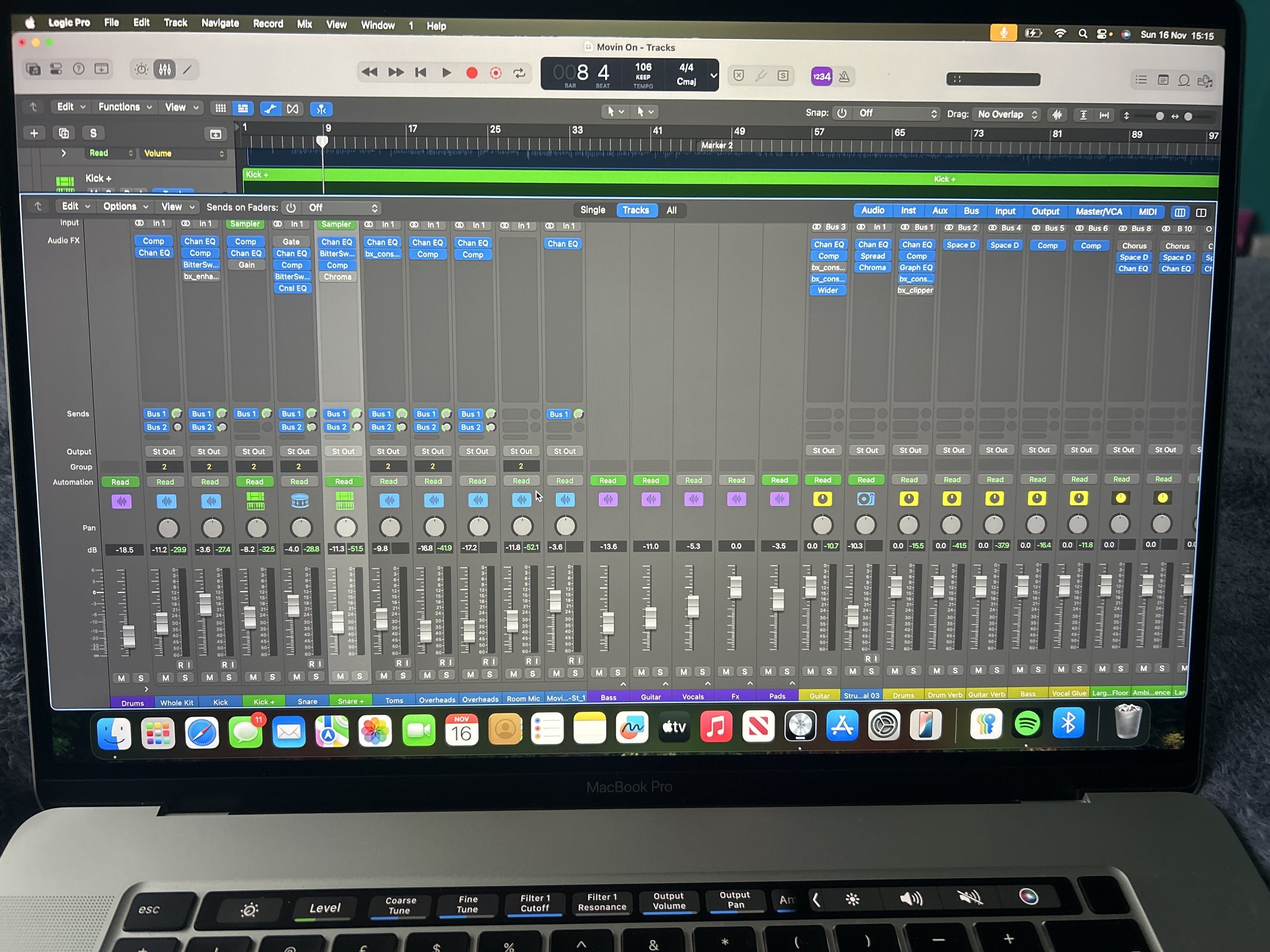
Collaboratively Mixing The Albums First Single "Moving On"
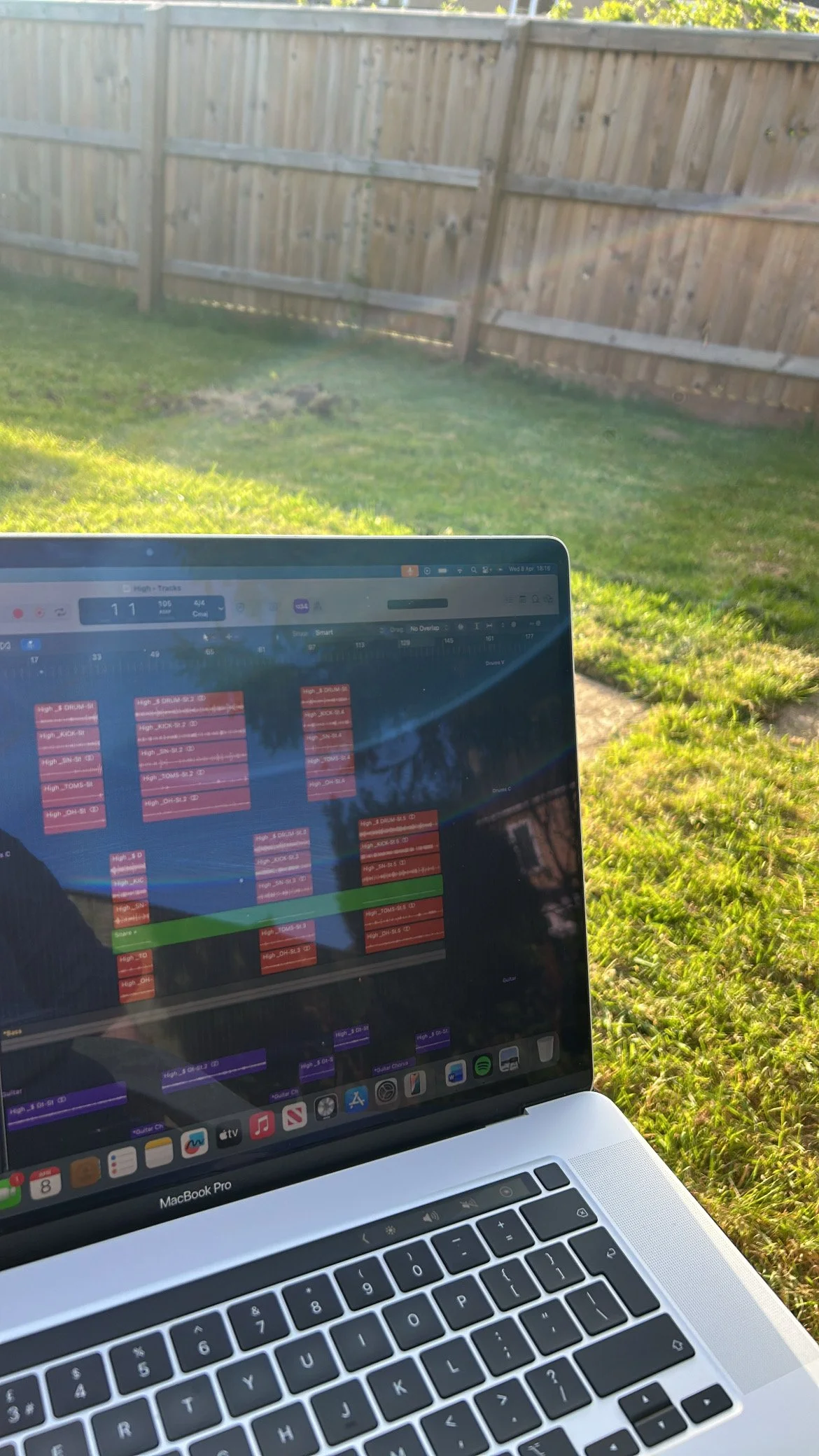
Collaboratively Mixing The Albums Second Single "High"
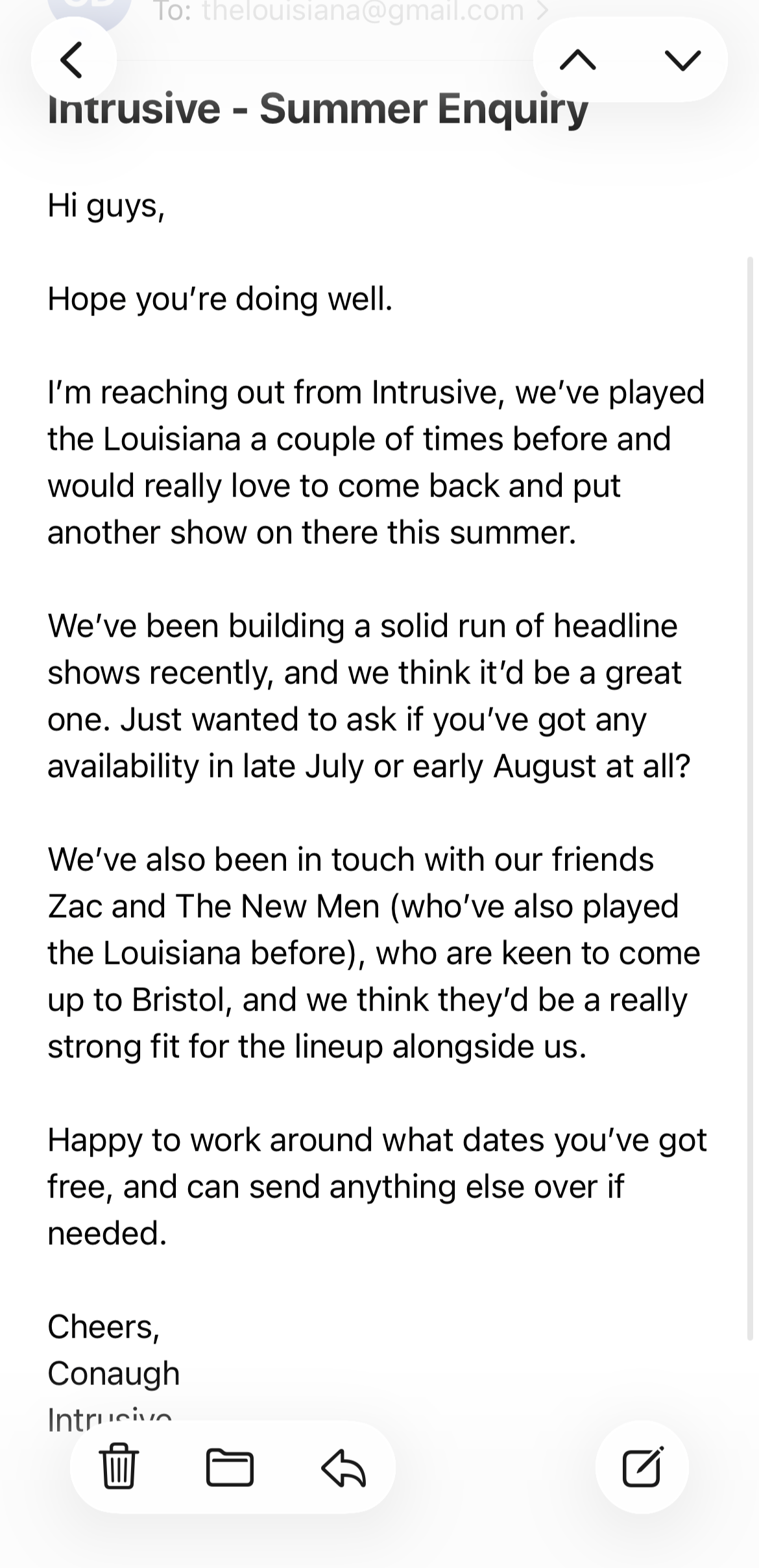
Working On Dates With The Louisiana For A Crossover Show
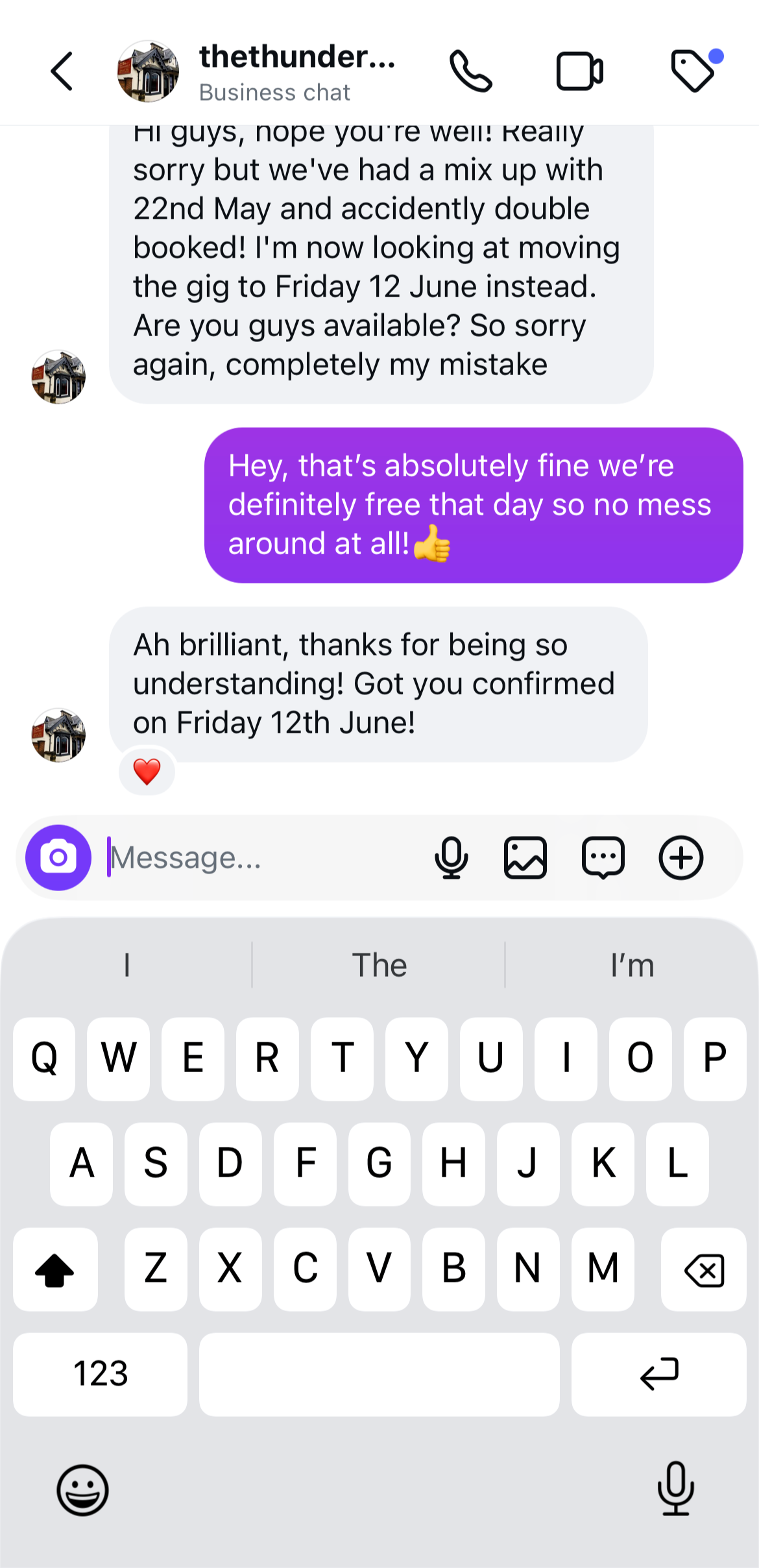
Working On Dates With The Thunderbolt
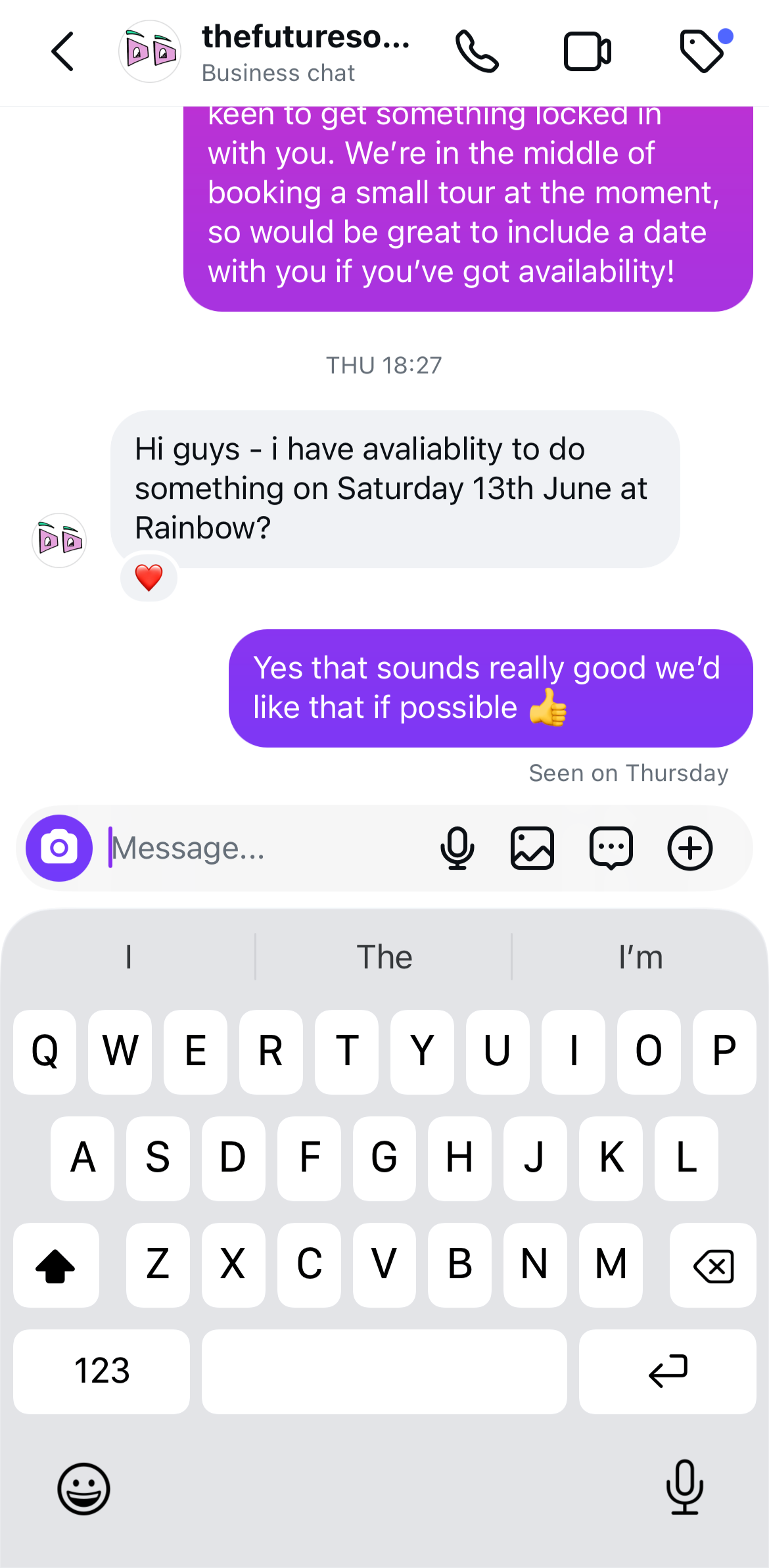
Working On Dates With One Of Our Birmingham Promoters
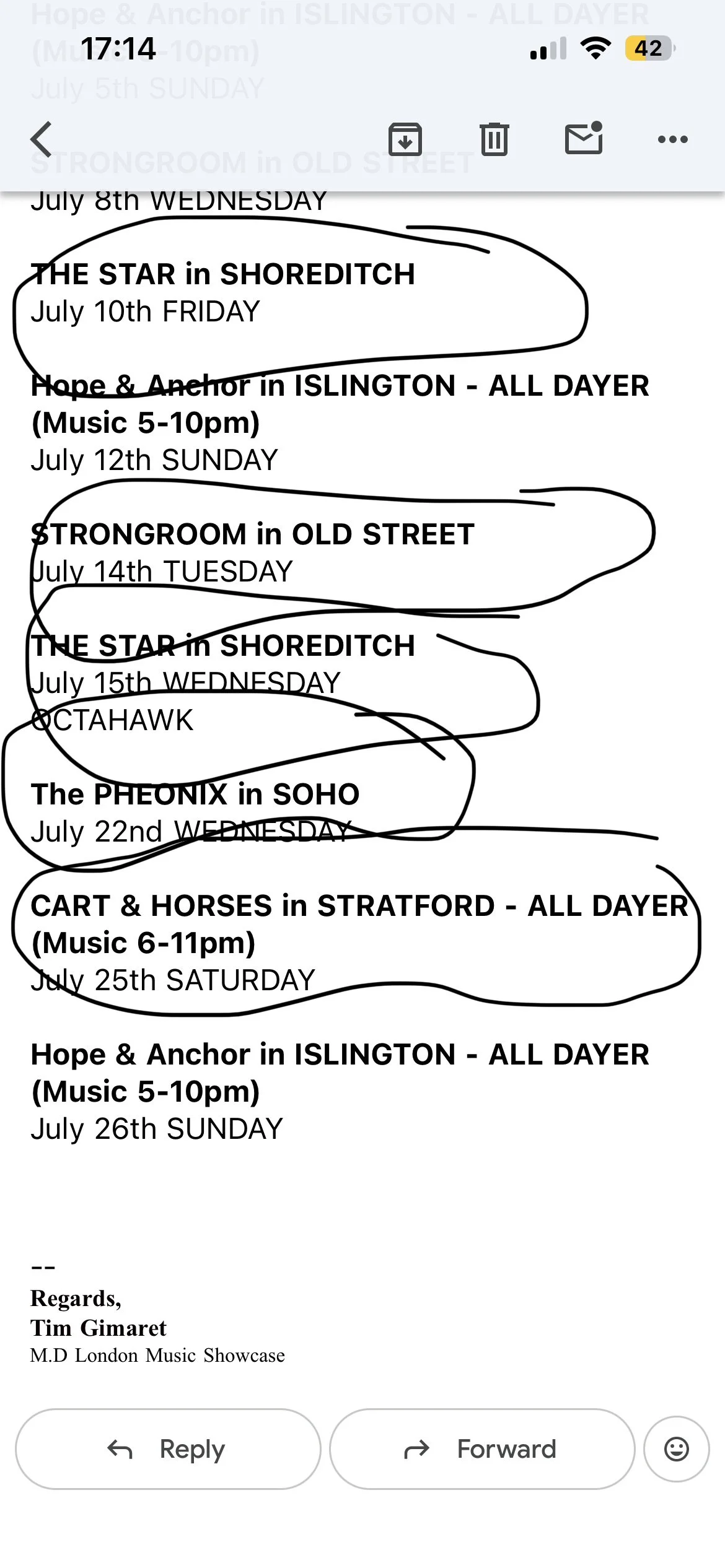
Working On Dates With Our London Promoter A.
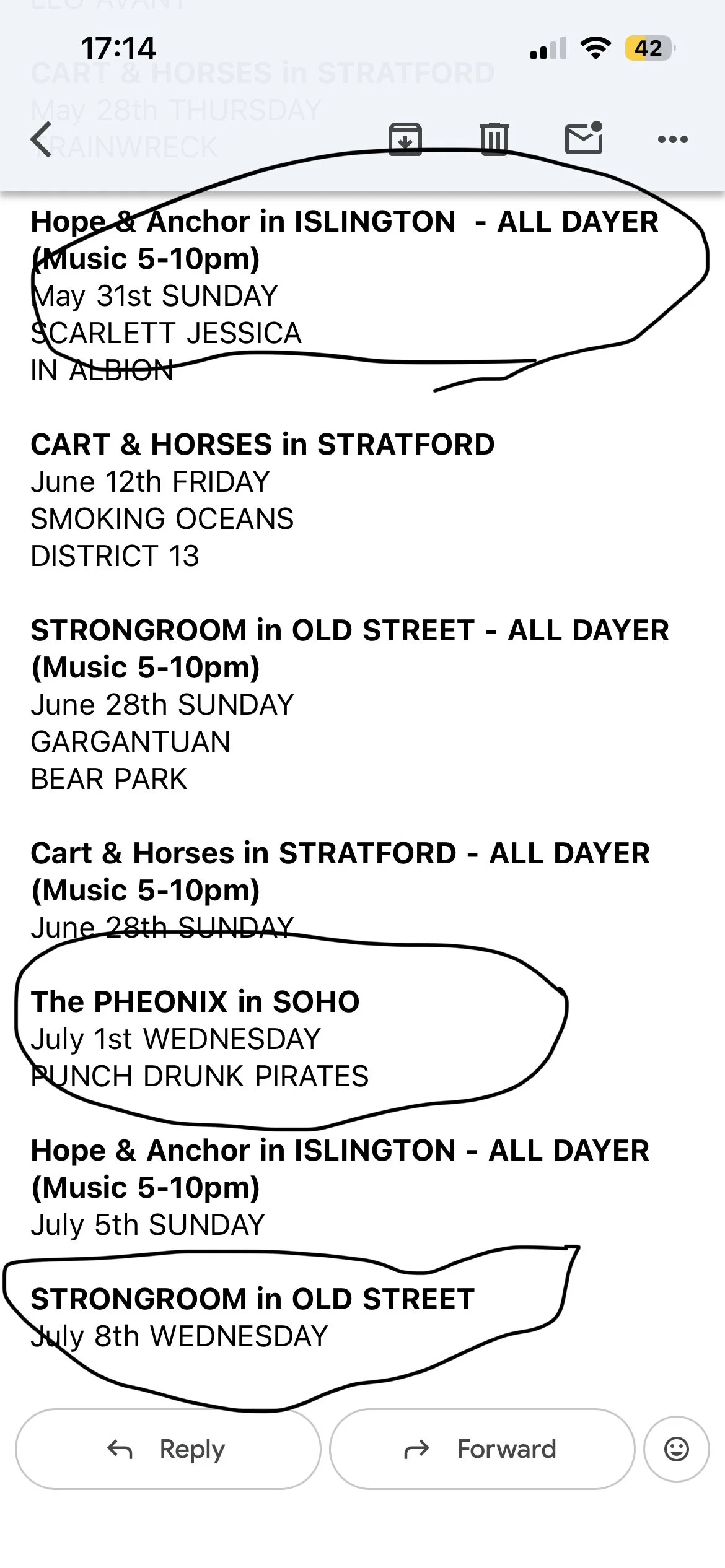
Working On Dates With Our London Promoter B.